

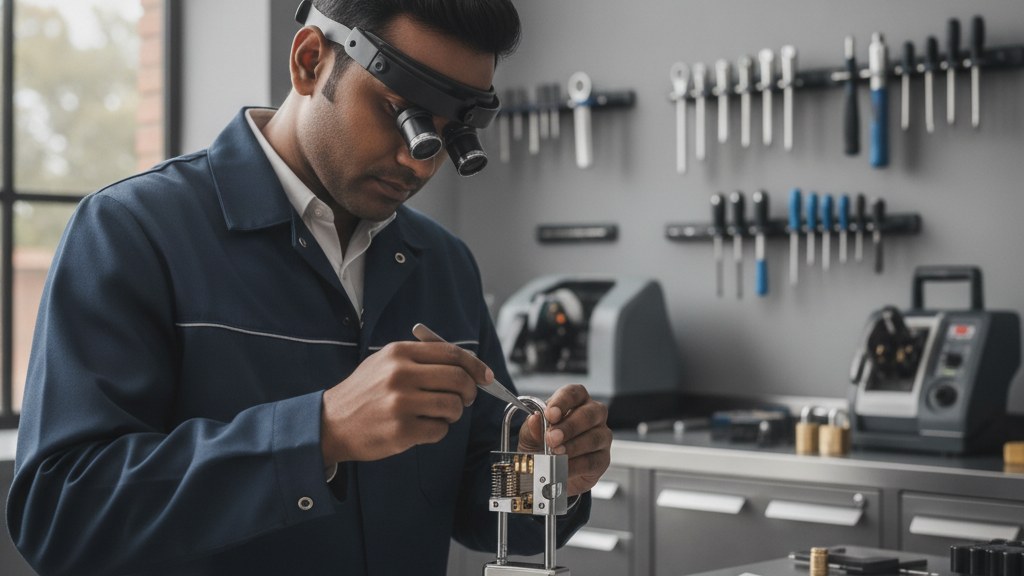
What Are Padlock Parts, and Which Ones Matter Most?
Padlock parts are the shackle, body, cylinder, pins, springs, and keyway that make the lock open and stay secure. If one piece is bent, corroded, seized, or mismatched, the whole lock becomes unreliable. The real fix is identifying the failed part and replacing or servicing the lock correctly.
Which padlock parts actually do the work?
Padlock parts are not just metal pieces in a shell. The shackle, body, cylinder, pins, springs, and keyway each do a different job, and when one fails the whole lock feels unreliable.
The shackle is the visible loop that carries the holding force. The body houses the internal components and protects them from weather, impact, and tampering. The cylinder is the key-operated core that controls release, while pins and springs inside it create the actual lock-and-key interaction.
If you are shopping for a replacement or trying to understand why a lock is failing, focus on function first. People often blame the wrong part because they only look at the outside. A sticky shackle can look like a cylinder problem. A dirty keyway can feel like the whole lock is dead.
This matters because padlocks are used in very different ways. A locker lock, gate lock, storage unit lock, or trailer lock is exposed to different levels of dirt, moisture, and force. The same basic part names apply, but the failure points change.
For a homeowner or renter, the useful question is not ‘what is the padlock called?’ It is ‘which part is failing, and can it still be trusted?’ That answer determines whether cleaning, repair, rekeying, or replacement is the real fix.
Look at the lock from the outside, but think like a mechanic. The visible part is only one piece of the system, and the actual failure may be hidden inside the body.
- Shackle: the part that secures the lock to the hasp or chain
- Body: the shell that protects the working parts
- Cylinder: the keyed core that releases the shackle
- Pins and springs: the internal parts that make the key work
- Keyway: the opening that guides the key into the lock
Why does a padlock get stuck even when the key looks fine?
A key can be fine and the padlock can still fail. The usual culprits are wear inside the cylinder, debris in the keyway, corrosion on the shackle, or an internal spring that no longer returns cleanly.
This is the annoying part for most people. They assume the key is the problem because that is the part they hold in their hand. But keys are often innocent. The lock can still bind if the cylinder is worn or if the internal pins no longer move smoothly.
Weather is a common culprit. Moisture, grit, and temperature swings can create friction inside the lock body and around the shackle. Over time, that friction becomes the kind of stubborn resistance that makes people force the key, which only makes things worse.
If the lock is on an exterior gate, shed, storage area, or rental access point, small issues compound fast. Dust gets in. Lubrication dries out. Metal parts corrode. The padlock still looks like a padlock, but functionally it is becoming unreliable.
A locksmith can separate a true key problem from a lock problem by testing the cylinder, checking the shackle movement, and looking for wear patterns. That beats guessing and buying the wrong replacement twice.
When the lock starts feeling gritty, do not keep forcing it. That is how a serviceable part becomes a broken one.
- A worn cylinder can bind even with the right key
- Debris in the keyway can block smooth turning
- Corrosion on the shackle can make release difficult
- Weak springs can stop the internal parts from resetting
- Forcing the key can turn a repairable issue into a replacement
How do you tell if the shackle, body, or cylinder failed?
The symptom usually points to the part. A shackle that will not move suggests a mechanical or corrosion problem. A key that turns poorly points more toward the cylinder. A loose or cracked body points to structural failure.
Start with what the lock is doing, not what it looks like. If the key goes in but will not turn, the cylinder and internal pins deserve attention. If the key turns but the shackle will not pop, the release mechanism or shackle itself may be jammed.
A distorted body is a bigger warning sign than many people realize. Once the housing is cracked, bent, or misaligned, the internal parts can no longer function as designed. You can clean around the problem, but you cannot make a distorted frame behave like a new one.
Shackle problems often show up as visible wear, rust, or bending. Cylinder problems are quieter. They show up as rough turning, sticking, a key that only works when jiggled, or a lock that works one day and stalls the next.
This is why experienced locksmiths inspect the whole unit. Padlock parts work together. One damaged component can make another look guilty. The job is to identify the first failure, not the most obvious one.
If you want the cleanest answer, bring the lock as-is. That gives the technician a chance to see the actual symptoms instead of a description that leaves out the critical detail.
- Key turns but no release: check the cylinder or release mechanism
- Key inserts poorly: inspect the keyway and internal wear
- Visible rust or bend: inspect the shackle first
- Cracked housing: the body may no longer support the mechanism
- Intermittent operation: often a sign of internal wear, not just dirt
Easter’s Lock & Security Solutions has served the Mid-Atlantic since 1953 – residential, commercial, automotive and emergency service.
Book Now / Get a QuoteWhat padlock parts can be serviced, and what usually should not be repaired?
Some padlock problems are worth cleaning or servicing. Others are not. The line is simple: if the lock still has solid structure and the issue is minor contamination or light wear, service may help. If the internal parts are compromised, replacement is usually the better call.
A sticky shackle, light corrosion, or a dirty keyway can sometimes be addressed without replacing the entire lock. That is especially true when the lock has not been forced, bent, or exposed to heavy weather for a long time.
But once the cylinder is deeply worn, the shackle is deformed, or the body no longer lines up correctly, repair becomes a gamble. You can spend time trying to revive a lock that is already past its useful life. That is the kind of false economy people regret.
The real issue is reliability. A padlock is supposed to secure something. If you are unsure whether it will open when you need it, or close when you leave it, the parts are not doing their job. That means the repair decision should be based on function, not sentiment.
For renters and homeowners, that distinction matters because the lock often protects something practical: a gate, a shed, a storage area, a bike, a utility enclosure, or a basement access point. You want the part that failed identified correctly, then you want a fix that lasts.
The smartest move is not squeezing a few more days out of a tired lock. It is deciding whether the lock still has a dependable mechanism inside it.
- Serviceable: light dirt, minor sticking, surface corrosion
- Borderline: repeated sticking or noticeable wear in the keyway
- Usually not worth repairing: bent shackle or cracked body
- Usually replace: repeatedly failing cylinder or internal release
- Rule of thumb: if reliability is in doubt, do not rely on it
How do padlock parts affect rekeying and replacement decisions?
Once you understand the parts, the next decision becomes much easier. If the cylinder is the problem and the lock is designed for service, rekeying or cylinder work may solve it. If the lock body or shackle is the issue, replacement is usually the cleaner path.
Rekeying is about changing what key operates the cylinder. It helps when the lock hardware is still solid but the access control needs to change. That is a very different problem from a broken shackle or a warped body.
Replacement makes more sense when the failure is structural. If the lock has damage in the housing, too much corrosion, or a shackle that will not operate reliably, changing keys does not fix the underlying issue. You are just putting a new key into an old problem.
People often overfocus on the key because it is visible and familiar. But padlocks are mechanical devices. The part that is visible to you is not always the part that determines security. The internal condition matters just as much.
This is also where a locksmith saves time. Instead of shopping blind, you get a direct answer on whether the lock can be serviced, rekeyed, or should be replaced. That means fewer wrong purchases and less downtime for whatever the padlock is protecting.
If the goal is clean access and real security, the part that failed should drive the decision, not habit or guesswork.
- Rekeying changes access without changing the whole lock
- Cylinder service helps only when the rest of the lock is sound
- Replacement is smarter when the body or shackle is compromised
- Internal wear can make a lock feel repairable when it is not
- The right call depends on the failed component, not the brand name
Where homeowners and renters usually run into padlock trouble
Most padlock failures are not dramatic. They show up in ordinary places where weather, movement, and daily use wear down the parts bit by bit.
A backyard gate left outside all year is a classic example. Moisture and dirt work into the moving parts. A storage unit or basement lock can collect grime. A bike or utility lock can take shock and vibration that slowly throws the mechanism off.
Renters also run into trouble when a padlock is used as a quick fix for a closet, storage cage, or shared space. The lock may have been fine at first, but if nobody maintains it, the parts eventually tell the truth.
Homeowners tend to notice the problem when access becomes frustrating. The key catches. The shackle hesitates. The lock needs a wiggle. Those are not minor annoyances. They are early warnings that the lock parts are no longer in sync.
A good rule is simple: the more exposed the lock is to weather, dirt, and frequent use, the more attention the parts need. Ignoring that usually ends in a lockout or a forced replacement at the worst time.
When a padlock protects something you need to access regularly, smooth operation is not a luxury. It is the whole point.
- Exterior gates: moisture and rust are common failure points
- Storage areas: dirt and infrequent use can seize internal parts
- Utility enclosures: vibration and exposure wear out mechanisms
- Shared rental spaces: poor maintenance shortens lock life
- Frequent use without care: small problems become bigger fast
Which padlock symptom points to which fix?
| Situation | What to do | Why |
|---|---|---|
| Key inserts but turns roughly | Inspect the cylinder and keyway for wear, debris, or contamination | Rough turning usually starts inside the keyed mechanism, not at the outside shell |
| Shackle sticks or will not release | Check for corrosion, bending, or a damaged release mechanism | The shackle is the moving load-bearing part, so it often shows the first mechanical failure |
| Lock body feels loose, cracked, or misaligned | Replace the lock body or the entire padlock if the design is sealed | A distorted housing cannot reliably support the internal components |
| Lock works only intermittently | Have the full padlock inspected before it fails completely | Intermittent operation usually means wear is spreading across more than one part |
Doing it yourself vs bringing in Easter’s Lock & Security Solutions
| Doing it yourself | With Easter’s Lock & Security Solutions | |
|---|---|---|
| Identifying the bad part | You are guessing between shackle, cylinder, body, or key, often by trial and error | We inspect the lock as a system and narrow the failure to the part that is actually causing the issue |
| Choosing repair or replacement | You may buy the wrong part or keep forcing a lock that is already worn out | We tell you whether the lock is serviceable or whether replacement is the cleaner, safer option |
| Time and frustration | You spend time looking up part names, compatibility, and fix methods | You get a direct answer from a locksmith who works on these mechanisms every day |
| Outcome quality | You might get it working for now, but still not trust it later | We focus on dependable operation, not a temporary workaround |
Frequently Asked Questions
What are the main padlock parts I should know?
The main parts are the shackle, body, cylinder, pins, springs, and keyway. In plain English, the shackle secures the lock, the body houses the mechanism, and the cylinder is what the key turns. If one of those parts is worn or damaged, the lock can stop behaving normally even if the rest looks fine.
What does a worn cylinder feel like?
A worn cylinder usually feels gritty, stiff, or inconsistent when the key turns. The key may insert normally but need extra pressure, wiggle, or repeated tries. That is a sign the internal parts are not lining up cleanly, and forcing it can make the problem worse.
Can a bent shackle be fixed?
Sometimes a light alignment issue can be addressed, but a bent shackle usually means the lock has been forced or damaged. If the shackle does not open and close smoothly, the safest move is to have the lock checked before you trust it on a gate, shed, or storage area.
How much does it cost to deal with padlock parts?
It depends on whether the lock can be serviced, rekeyed, or should be replaced. Because padlock construction varies so much, the right way to price it is to have the lock looked at. Book a call and get a quote based on the actual part that failed.
Can Easter’s Lock & Security Solutions help with a stubborn padlock?
Yes. If you are dealing with a stuck, worn, or damaged padlock, Easter’s Lock & Security Solutions can inspect it, explain which part failed, and help you choose the right fix. That is usually faster than buying the wrong replacement and hoping for the best.
Need a locksmith in the Baltimore area?
Easter’s Lock & Security Solutions has served the Mid-Atlantic since 1953 – residential, commercial, automotive and emergency service.
Book Now / Get a QuoteCall (410) 825-3535Last updated October 2, 2026