

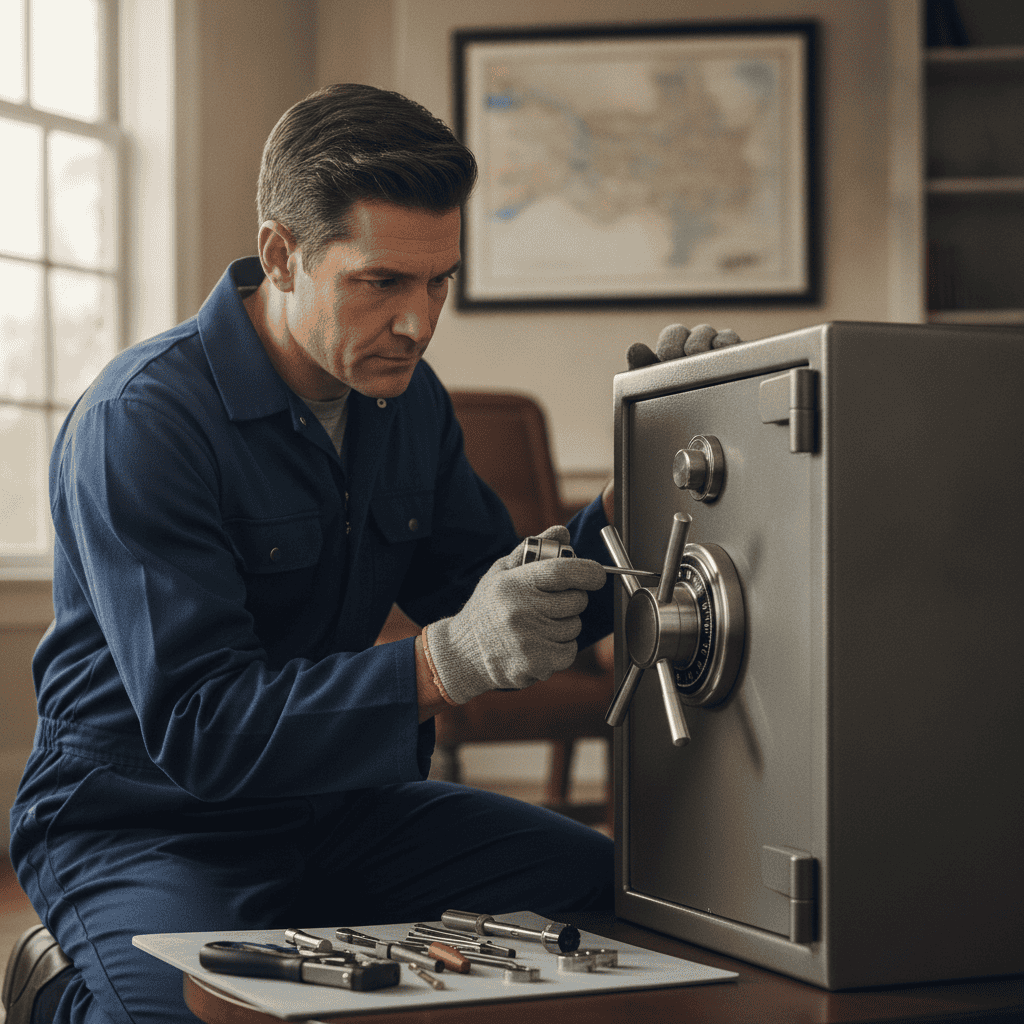
Locked Safe Opening Service You Can Trust
A safe usually becomes urgent at the worst possible moment – payroll is due, a will needs to be located, medication access is time-sensitive, or a store manager cannot retrieve the day’s deposit. In those situations, a locked safe opening service is not just about getting a door open. It is about protecting the contents, preserving the container when possible, and resolving the problem without adding more risk.
That is where experience matters. Safe work is different from standard locksmith work. The construction, lock type, relock mechanisms, fire lining, and boltwork all affect how a technician approaches the opening. A rushed or unqualified attempt can turn a manageable service call into a costly replacement.
What a locked safe opening service actually involves
Many people assume every safe opening is a drill-and-replace job. In practice, it depends on the safe, the lock, the failure, and the condition of the container. A professional technician starts by identifying the safe type and the reason it is locked out.
In some cases, the issue is straightforward. A digital lock may have a dead battery, a worn keypad, or a programming fault. A mechanical dial may be out of tolerance, damaged by wear, or affected by a failed change key procedure. The handle may turn without retracting the bolts because an internal part has broken. Sometimes the safe is not malfunctioning at all – the code was changed incorrectly, a user is working from the wrong opening sequence, or the safe is in a penalty lockout mode.
The right service call begins with diagnosis, not force. That is especially important for business safes, pharmacy storage, gun safes, depository safes, burglary safes, and fire-rated record safes where the contents and the container both matter.
Why safe opening is not a general locksmith task
Opening a house lock and opening a locked safe are separate skill sets. Safes are designed to resist manipulation, forced entry, and opportunistic attacks. Better units may include hard plates, glass relockers, spring-loaded relocking devices, and layered materials intended to slow down unauthorized access.
A qualified safe technician understands how those defenses work and how to avoid triggering additional damage during service. That knowledge affects every decision, from whether manipulation is realistic to where a precision drill point may be required and how repairs should be completed afterward.
For residential customers, that expertise can preserve a valuable safe and reduce replacement costs. For commercial and institutional customers, it can also protect chain of custody, limit downtime, and support documentation needs when access to records, cash, controlled items, or secured materials is interrupted.
Common reasons safes become inaccessible
A locked safe does not always mean someone forgot the combination. Over time, several failure points can develop. Electronic locks can fail from battery neglect, component age, moisture exposure, or impact. Mechanical locks can drift out of alignment or suffer internal wear. Boltwork issues are also common, especially on older units or heavily used commercial safes.
There are also user-side problems that look like lock failures. A keypad may be entered too quickly. A handle may be pulled in the wrong sequence. A safe that was moved may have developed alignment issues. In office settings, staff turnover can leave combinations undocumented or disputed. After an estate event, surviving family members may have legal access to the safe but no working combination.
Each of these situations calls for a different approach. That is why good service starts with questions about the make, model, lock type, symptoms, and urgency.
What to expect from professional locked safe opening service
A dependable service provider should verify ownership or authorization before work begins. That protects everyone involved and is especially important for businesses, healthcare settings, and regulated facilities. From there, the technician should explain the likely opening method, the chances of preserving the safe, and what repairs may be needed once access is gained.
The best outcome is always the least destructive viable method. If manipulation or non-destructive entry is possible, that may save time and reduce repair costs. If drilling is necessary, it should be controlled, precise, and followed by proper restoration of the lock area and safe function when the container is worth saving.
Pricing should also be addressed early. Safe work is specialized, and cost varies based on the lock type, container rating, failure condition, and service timing. Emergency after-hours access will not be priced the same as a scheduled daytime call for a simple digital lock issue. Clear expectations matter.
Repair versus replacement after opening
Once the safe is open, the next decision is whether to repair it or replace it. That depends on age, condition, security rating, and how the safe is used.
If the safe is a quality container with a localized lock failure, repair usually makes sense. Replacing a bad lock, servicing the boltwork, or correcting alignment may restore full function at a reasonable cost. If the unit is low-grade, heavily worn, or damaged from a prior forced attempt, replacement may be the more practical option.
For business customers, the decision often comes down to operational risk. If a cash safe, depository safe, or records safe is central to daily operations, reliability matters more than squeezing a little more life out of a failing unit. For homeowners, sentimental contents and fire protection can make repair worthwhile even on an older safe.
Residential and commercial needs are not the same
Homeowners usually call for a locked safe opening service because they need access to documents, jewelry, firearms, heirlooms, or cash. The main concern is often preserving both the contents and the safe itself. Privacy, careful handling, and trust are central.
Commercial customers tend to have a different timeline. Retail stores may need immediate access to deposits or tills. Offices may need records on a deadline. Property managers may need access to shared safes after staffing changes. Healthcare and government-related environments may have additional requirements around authorization, documentation, or protected materials.
That is why broad field experience matters. A provider serving both residential and institutional clients will usually be better prepared for unusual lock types, stricter site procedures, and the operational pressure that comes with time-sensitive access problems.
How to choose the right company
Not every locksmith company offers true safe expertise. When you are calling for service, ask direct questions. Do they routinely work on safes, not just door locks? Can they identify common lock brands and safe categories over the phone? Will they discuss non-destructive options first? Can they handle repairs after opening, or do they only gain entry and leave the rest to someone else?
Response time also matters, but speed should not come at the expense of judgment. A fast arrival is useful. A technician who damages a repairable safe is not. The right provider balances urgency with method.
In the Baltimore and Mid-Atlantic market, that combination of responsiveness and technical depth is what customers should expect. A family-owned company established since 1953, like Easter’s Lock & Security Solutions, brings a level of field experience that matters when the job involves more than a simple lockout.
What you can do before the technician arrives
There are a few practical steps that may help. If the safe uses an electronic keypad, replace the battery with the exact type recommended by the manufacturer and try the code again slowly. Confirm that the handle is being operated in the correct sequence. Look for signs of damage, impact, or a recently changed combination. If multiple people have used the safe, verify that no one altered the code or used a manager reset function.
What you should not do is just as important. Do not pry on the door, strike the keypad, force the handle, or start drilling based on online advice. Safes are engineered differently, and a bad attempt can trigger relock devices or destroy evidence of the original fault.
When urgent access cannot wait
Some safe lockouts are inconvenient. Others affect business continuity or personal safety. If medication, regulated items, cash control, sensitive records, or critical documents are inside, same-day response becomes more than a convenience. It becomes part of protecting the customer’s operation.
That is why a professional locked safe opening service should be measured by more than whether the door opens. The real standard is whether the provider resolves the problem responsibly, verifies authorization, avoids unnecessary damage, and gets the safe back into dependable working order whenever possible.
If you are facing a safe lockout, treat it like the security issue it is. The right help can preserve the container, protect the contents, and get you back to normal with less disruption than you might expect. When security equipment fails, calm, qualified service is what makes the difference.