

What Do Safety Deposit Keys Look Like?
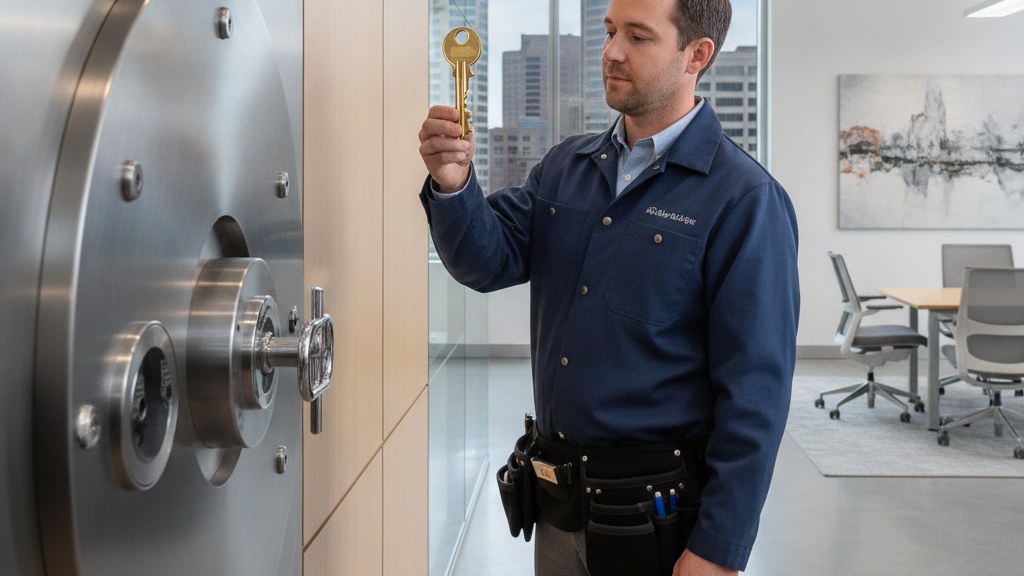
What do safety deposit keys look like? Usually, they are small brass or nickel plated keys with a flat blade, a simple bow, and a stamped key number rather than a house key profile. The real fix is confirming the exact key code and box style before you order a duplicate or call the bank.
What does a safety deposit box key actually look like?
A safety deposit box key is usually smaller and plainer than people expect. The important part is not whether it looks fancy, but whether the blade, bow, and stamped code match the lock it was cut for.
Most box keys are metal, often brass or nickel plated, with a narrow blade and a simple bow. They do not look like modern car keys, and they are usually more compact than a house key. Some have a rectangular head, some are rounder, but the overall profile is simple.
The code is the giveaway. Many safe deposit keys have a number or letter sequence stamped on the key head or blade. That code is what helps identify the correct blank and cut pattern, because two keys that look similar can belong to different box families.
People get tripped up because they search by appearance first. That is backward. The shape only narrows the field. The code, the keyway, and the box manufacturer history are what actually determine whether a duplicate can be made correctly.
If you are trying to identify one from a drawer, line it up with any paperwork, tags, or bank records you still have. That is where the useful detail lives. A photo can help, but the code usually decides the outcome.
- Small brass or nickel plated key
- Flat blade with a simple, narrow profile
- Stamped code is often present
- Not shaped like a house key or fob
- Appearance alone is not enough for matching
What does safety deposit key look like on the head, blade, and stamp?
The parts people miss are usually the parts that matter. The head may be plain, but the blade and stamp tell you more about the key than the color ever will.
The head is often plain metal, sometimes with a stamped number or code and little else. You will not usually see a plastic shell, electronic components, or a decorative design. That is one reason these keys are easy to misplace in a junk drawer.
The blade is the business end. It is typically flat and cut for a specific box lock, sometimes with a narrow groove or shoulder that does not resemble common residential keys. If you are comparing it to other keys, that blade shape is what matters most.
A worn stamp can make things confusing. If the code is faint, a quick glance can mislead you into thinking it is missing or unreadable. In practice, you may need a closer look, better lighting, or a clean photo before you can identify it confidently.
This is where a lot of near-neighbor mistakes happen. A person sees a small metal key and assumes it is for a filing cabinet, mailbox, or luggage lock. The shape may be similar, but the code format and cut pattern usually are not.
When the stamp is clear, you are in better shape. When it is not, do not force a guess. Matching the lock family is the safe move, not the fast one.
The key head may carry the code
The blade is narrow and flat
Worn stamping can hide the identifier
Similar-looking keys can still be incompatible
Close-up photos help with identification
How do banks, box numbers, and key codes fit together?
Here is the part people skip: the key is only one side of the match. The bank record, box number, and code all work together, and if one is off, the wrong duplicate is easy to order.
A safety deposit box key is tied to a box number or bank record, not just a physical shape. The bank or credit union may have its own process for verifying ownership before anything is replaced or duplicated, which is why the paperwork matters.
The key code is the bridge between what you hold and what the lock needs. If the code is readable, a locksmith can often identify the correct blank family. If it is not, the process becomes more manual and more dependent on the actual lock and records.
People often assume the metal key itself is enough. It is not. The box number and the key code are what reduce guesswork. Without them, you are relying on a visual match that may be wrong even when the key looks close enough.
If you are sorting through old records, look for the bank branch, box number, issuer paperwork, and any key tag. Those details save time and avoid a bad duplicate order. That is especially true when the key has been sitting unused for years.
The goal is simple: match the records to the key, then the key to the lock. Skipping that chain is how people end up with a useless spare.
Bank records often matter as much as the key
Box number helps confirm the correct account
Key code links the key to the proper blank
Paperwork reduces the risk of a bad duplicate
Visual similarity is not proof of compatibility
Easter’s Lock & Security Solutions has served the Mid-Atlantic since 1953 – residential, commercial, automotive and emergency service.
Book Now / Get a QuoteWhy one safety deposit key can look right and still fail
A key can look convincing in the hand and still not turn the lock. That is not bad luck. It is what happens when the blank, cut, or wear pattern does not match the box lock exactly.
A key that looks close may have a different shoulder, groove depth, or cut spacing. Small differences can stop the key from turning or can make it feel like it should work when it should not. That is why appearance-only identification is a weak method.
Wear is another issue. An older key may be rounded at the cuts or polished at the edges from years of use. The worn version may still fit, but a fresh duplicate cut from a bad reference can fail even though the old key seems to work sometimes.
Lock history matters too. Some boxes have replacement cylinders or changed lock components over time. If that happened, the old key shape might no longer tell the full story, which is where people get frustrated and start forcing the issue.
Forcing a mismatched key is a bad habit. It can bend the key, damage the lock, and create a problem that was not there before. If the key looks right but does not function, that is a diagnostic clue, not an invitation to push harder.
This is exactly why a trained locksmith looks at the whole setup, not just the brass in your hand. The key, the lock, and the records have to agree.
Close enough is not good enough
Wear can hide the true cut pattern
Replacement cylinders can change the match
Forcing the key risks damaging the lock
Function matters more than appearance
If the key is missing, stolen, or unlabeled, what should you check first?
Do not start by shopping for a replacement online and hoping for the best. Start by identifying what you still know, because the fastest path is usually the one with the least guessing.
First, check whether you have any bank paperwork, box numbers, key tags, or a spare. Those details are often enough to narrow the match. If you do not, make a note of the bank name and branch, because that helps with the next step.
Second, inspect the lock and any remaining key carefully. A clear photo of the head, blade, and code can be useful. If the code is present but faint, better lighting or a macro image may help. If the key is gone entirely, the lock itself becomes the reference point.
Third, contact the financial institution about its process. Banks and credit unions often have their own verification steps, and those rules matter. You want the right sequence, not an impatient guess that leads nowhere.
Fourth, bring in a locksmith who knows how to identify restricted key systems. That matters because not every key blank is the same, and not every shop can trace a box key correctly without the right experience.
When the key is unlabeled or missing, speed comes from order, not noise. Gather the identifiers first, then act.
Check paperwork, tags, and spare keys first
Photograph the key head and blade clearly
Confirm the bank’s verification process
Use the lock itself as a reference when needed
Avoid guessing at a replacement blank
When a small metal key points to a bigger access problem
The real issue is not the size of the key. It is the access problem behind it. If the key does not match, you may be dealing with a lost identifier, a worn lock, or a record mismatch.
A safety deposit key problem often starts small and turns annoying fast. You think you are missing one key. Then you find out the code is unclear, the spare is gone, or the lock may have changed over time. That is when people need a calm, methodical fix.
For homeowners and renters, this kind of issue often shows up during a move, an estate cleanup, or a long-delayed bank visit. The key is small enough to overlook, but the consequences of a wrong assumption are larger than the drawer it came from.
The better answer is usually to verify before you replace. That means confirming the key type, the code, the lock condition, and the bank’s requirements before any duplicate is cut or any next step is taken.
If you want help with that verification step, a professional locksmith can sort the key, code, and lock details without turning it into a scavenger hunt. That is the difference between a guess and a solution.
Small keys can hide big access problems
Moves and estate cleanups expose missing records
Verification should come before duplication
The lock condition may matter as much as the key
Professional identification avoids wasted effort
- Lost key does not always mean lost access
- Record mismatch is common after moves or inheritance
- The lock may need to be identified, not just the key
- Verification beats trial-and-error replacement
- A locksmith can help separate key issues from lock issues
When to verify the key before you try anything else
| Situation | What to do | Why |
|---|---|---|
| The key looks generic and you are not sure it matches the box | Compare the code, blade shape, and bank paperwork before ordering anything | Appearance alone is unreliable and can lead to the wrong duplicate |
| The stamp is faint or partially worn away | Take a close photo, clean the surface gently, and have a locksmith identify the blank family | A readable code saves time and reduces guesswork |
| The key turns poorly or only works sometimes | Check for wear, bent cuts, or a changed lock before forcing it | A weak fit can damage the key or the cylinder |
| The only key is lost and there is no spare | Gather the bank name, box number, and any remaining records, then book a call | You need a clean verification path before replacement or service |
Doing it yourself vs bringing in Easter’s Lock & Security Solutions
| Doing it yourself | With Easter’s Lock & Security Solutions | |
|---|---|---|
| Identifying the key type | You may rely on photos, labels, and guesswork, which is fine until the code is faded or the key family is obscure | We look at the key, the code, the lock, and the history together so you are not chasing the wrong blank |
| Finding a replacement path | You have to sort bank requirements, key codes, and possible duplication options on your own | We help you narrow the correct path before anything is ordered or cut |
| Avoiding damage | A bad fit can bend the key or stress the lock if you keep trying it | We verify the match first, which keeps the key and lock from taking unnecessary abuse |
| Peace of mind | You are left wondering whether the spare is actually right until it is tested | You get a clear answer from a locksmith team that has handled identification and lock work since 1953 |
Frequently Asked Questions
What is the easiest way to identify a safety deposit box key?
Start with the stamp or code on the key head or blade, then compare the blade profile and any bank records you still have. The shape helps, but the code and box record are what usually confirm the match.
Why do some safety deposit keys look almost like tiny house keys?
Because they are simple mechanical keys, not electronic devices. The difference is in the blank family, code, and cut pattern, not in flashy styling. Many box keys are plain brass or nickel plated for that reason.
Can I get a duplicate if I only have a photo of the key?
Sometimes a photo is enough to identify the general key family, but not always. If the code is readable and the image is clear, a locksmith may be able to narrow it down. If not, the lock and records become necessary.
What does a replacement usually cost for a safety deposit box key?
Cost depends on the key type, the code, the condition of the original, and whether the lock or bank process adds extra steps. Because every case is different, the honest move is to book a call and get a quote after the key is identified.
Can Easter’s Lock & Security Solutions help if I am not sure what I have?
Yes. If you are trying to figure out what do safety deposit key look like in the real world, we can help identify the key, read the code, and sort the next step before you waste time on the wrong replacement. Book a call / Get a Quote.
Need a locksmith in the Baltimore area?
Easter’s Lock & Security Solutions has served the Mid-Atlantic since 1953 – residential, commercial, automotive and emergency service.
Book Now / Get a QuoteCall (410) 825-3535Last updated September 21, 2026