

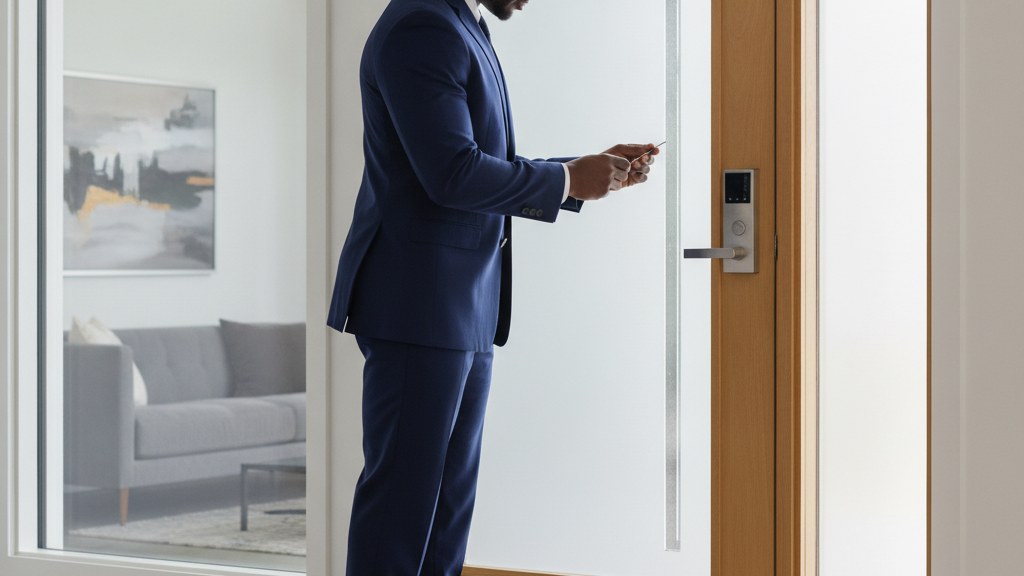
What Does Lockmasters Security Institute Mean for a Homeowner?
Lockmasters security institute, in this context, points to the practical skills and standards behind better home security: rekeying, lock repair, smart lock setup, and access control basics. For a homeowner or renter, the real fix is choosing a locksmith who can assess the door, hardware, and risk together, then match the right solution.
What does lockmasters security institute mean for a homeowner?
It means professional lock work, not guesswork. In this topic, the phrase points to the standards behind rekeying, lock repair, smart lock installation, and home security judgment, which is what homeowners actually need when a key stops feeling safe.
The common mistake is treating lock service like a single task. It is not. A real locksmith looks at the door, the cylinder, the deadbolt, the strike, the frame, and the reason you called in the first place. That is the difference between a fix that holds and a fix that creates another problem.
For a homeowner or renter, the main question is simple: do you need access control, a better lock, or both? If you just moved in, rekeying may solve the problem cleanly. If the hardware is worn or the door fit is off, a replacement or adjustment may be the smarter move.
This is also where people overestimate the lock and underestimate the rest of the opening. A strong deadbolt still performs poorly on a sloppy door. A smart lock still depends on proper alignment. Security is a system, not a logo on the box.
That is why the buyer intent behind this search is so practical. You are not trying to collect trivia. You are trying to decide what should happen at your door today, and whether the person you hire can explain it without hiding behind jargon.
Home security
Lock hardware
Rekeying
Smart lock compatibility
Door and frame fit
- Ask what the locksmith thinks the real issue is before asking for a price.
- Expect an evaluation of the door, not just the cylinder.
- Use rekeying when old keys are the problem and the hardware is still sound.
- Choose replacement when wear, damage, or incompatibility is obvious.
- Treat smart lock choice as a fit question, not a gadget question.
When is rekeying enough, and when is it the wrong fix?
Rekeying is enough when you need to control old keys and the lock hardware is still in good condition. It is the wrong fix when the lock is worn out, damaged, or so mismatched to the door that you are just preserving a weak setup.
After a move, a lost key, or a relationship change, rekeying is usually the cleanest way to reset access. You keep the hardware, change the keying, and stop the old key from working. For many homeowners, that is the practical move because it solves the exposure without overbuying.
But rekeying is not magic. If the lock is cheap, loose, corroded, or inconsistent with the rest of the door hardware, you are just putting fresh keys on an old problem. That is how people end up paying twice, first for the shortcut and then for the replacement.
A competent locksmith should tell you whether the cylinder is a good candidate before they touch it. That means checking operation, security level, and whether the existing hardware still gives you what you need. If the answer is no, replacement is the honest answer.
This matters because homeowners often ask for the cheapest path when the correct path is the one that actually closes the risk. The goal is not to spend more. The goal is to stop unnecessary access and make the door behave reliably.
Lost keys
Move-in security
Tenants or roommates
Cylinder wear
Door hardware condition
- Rekey when the keys are the issue and the lock body still works well.
- Replace when the hardware is worn, damaged, or low quality.
- Do not assume every lock on the house should be handled the same way.
- Ask whether the existing keyway and cylinder are worth keeping.
- Use rekeying to reset access without changing every piece of hardware.
Can smart locks actually improve security, or just convenience?
They can improve both, but only when the hardware fits the door and the setup is done correctly. A smart lock without proper installation is convenience with a weak foundation, which is exactly how people end up frustrated instead of secure.
The buyer mistake here is thinking the app is the security upgrade. The app is the interface. The real security still depends on the deadbolt, the latch, the strike, the door alignment, and the quality of the install. If those are off, the technology does not save you.
Smart locks are useful when you want controlled entry, temporary access codes, or remote visibility, especially for a busy household or a rental situation. But the system must be paired with a lock that is compatible with the door and a setup that actually works under daily use.
This is why some installations feel impressive for a week and then become a nuisance. Weak batteries, poor calibration, sticky doors, and bad fit create failure points that have nothing to do with the software. A good installer starts with the door, then the hardware, then the features.
If you want convenience without giving up basic security, the right conversation is about hardware quality, backup entry, and whether the lock matches how you actually live. Otherwise you are buying a feature list, not a solution.
Access codes
Remote entry
Hardware compatibility
Battery dependence
Backup key control
- Use smart locks for access control, not as a substitute for a good deadbolt.
- Check door alignment before blaming the lock.
- Make sure the hardware matches the door thickness and prep.
- Plan for battery changes and backup entry from day one.
- Choose features that fit your household, not the loudest product pitch.
Easter’s Lock & Security Solutions has served the Mid-Atlantic since 1953 – residential, commercial, automotive and emergency service.
Book Now / Get a QuoteHow should a locksmith evaluate a front door instead of just the lock?
By starting with the full opening. The right evaluation looks at the door, frame, strike, deadbolt, latch, and use pattern, because the lock is only one piece of the security job.
People love to focus on the cylinder because it is the visible part, but the rest of the opening does the actual work. If the strike plate is weak, the frame is damaged, or the door does not close cleanly, the best lock in the world still has a bad operating environment.
A serious locksmith should ask why the issue exists. Is the key hard to turn because the lock is failing, or because the door has settled? Does the latch miss because the hardware is wrong, or because the frame is out of alignment? Those are different problems and they do not get the same fix.
This is also where the difference between a parts pusher and a real security professional shows up fast. One focuses on the product in the truck. The other focuses on whether the opening is secure after the work is done.
For homeowners, that broader view matters because it reduces repeat problems. It also keeps you from buying new hardware when a correction, adjustment, or rekey would solve the actual issue.
Deadbolt alignment
Strike plate strength
Door sag
Latch engagement
Hardware compatibility
- Check whether the door closes cleanly before replacing the lock.
- Inspect the strike, frame, and hinge side, not just the key cylinder.
- Separate a mechanical problem from a keying problem.
- Use the right fix for the real cause, not the most visible symptom.
- Expect plain-English explanation of what is wrong and why.
What should you ask before hiring a residential locksmith?
Ask the questions that expose whether the person understands the job. A qualified locksmith can explain the fix, the hardware, the keying, and the reason one option is better than another without circling the subject.
A lot of homeowners ask only one question: how much? That is understandable, but it is also how you end up comparing people who are not selling the same thing. One quote may include real assessment, proper rekeying, and hardware knowledge. Another may be a quick entry and a shrug.
Better questions are more revealing. Ask whether they handle rekeying, smart lock installation, and lock replacement. Ask if they will evaluate the door and frame, not just the lock body. Ask what credentials or licensing they hold. That tells you whether you are hiring a mechanic or a guesser.
You should also listen for how they talk about the problem. The right pro does not oversell. They narrow the options, explain the tradeoff, and tell you what matters on your door. That is the adult version of home security.
If the answers sound vague, generic, or too eager to skip the details, keep moving. Your front door is not the place for someone learning on the job.
Rekey vs replace
Door evaluation
Licensing
Smart lock compatibility
- Ask what problem they think you actually have.
- Ask whether they will inspect the door and strike, not just the lock.
- Ask for licensing and relevant credentials.
- Ask whether rekeying, replacement, and smart lock work are all in scope.
- Trust clear explanations more than polished sales language.
What standards matter when the work touches home security, not just a lock?
The useful standards are the ones that protect access, durability, and judgment. If the work affects who can enter, how often the hardware fails, or whether the door stays secure, the locksmith needs more than basic tool skill.
Home security work gets sloppy when people confuse motion with competence. Turning a lock is easy. Choosing the right fix, keying it correctly, and leaving the opening more secure than you found it is the part that matters.
This is where licensing, experience, and real residential knowledge matter. A locksmith who understands key control, rekeying, smart lock compatibility, and safe handling is better equipped to recommend a solution that fits the home instead of forcing a one-size answer.
For homeowners, the standard should be simple: the work should reduce uncertainty. After the visit, you should know who has access, how the door functions, and what changed. If you do not know those things, the job was not fully done.
That is also why choosing a company with broad physical-security experience matters. Home security is not a toy category. It is entry control, hardware reliability, and practical judgment applied to one of the most used points in the house.
Key control
Licensed locksmith work
Residential security judgment
Access reduction
Hardware reliability
- Expect the work to narrow, not widen, your access risk.
- Use credentials as a signal of depth, not a marketing badge.
- Want answers about who can enter and how the door now functions.
- Do not confuse simple tool use with proper security judgment.
- Choose a locksmith who can speak to both function and risk.
Decision framework for the right residential lock fix
| Situation | What to do | Why |
|---|---|---|
| Old keys still circulate after a move or roommate change | Rekey the locks and verify every exterior entry point is included | You remove old access without replacing hardware that still works |
| The key sticks, turns roughly, or the door feels misaligned | Inspect the door, strike, and lock together before choosing replacement | The problem may be alignment or wear, not only the cylinder |
| You want codes or app-based access for family or guests | Choose a compatible smart lock and have it installed to fit the door correctly | Convenience only helps when the lock is physically sound and properly configured |
| The hardware is old, damaged, or inconsistent across doors | Replace the affected lock set and bring the opening back to a reliable standard | A weak or mismatched lock wastes time and can leave the door easier to defeat |
Doing it yourself vs bringing in Easter’s Lock & Security Solutions
| Doing it yourself | With Easter’s Lock & Security Solutions | |
|---|---|---|
| Problem diagnosis | You may know the symptom, but not whether the issue is keying, wear, alignment, or a bad strike. | We evaluate the opening and narrow the fix before changing hardware or keying. |
| Hardware selection | You are limited by guesswork and whatever is easiest to buy. | We match the solution to the door, the use case, and the level of control you need. |
| Installation quality | A small mistake can leave the lock misaligned, loose, or unreliable. | Our technicians handle the fit, operation, and final function so the door works as intended. |
| Access control after the job | You may not be sure who still has working keys or whether the setup is truly reset. | We can rekey, replace, or set up the hardware so access is actually under control again. |
Frequently Asked Questions
What does lockmasters security institute mean in plain English?
For a homeowner, it is shorthand for the professional standards behind lock service: knowing how to rekey, repair, replace, and judge whether a door opening is actually secure. It is less about the phrase itself and more about whether the locksmith understands the whole job, not just the key cylinder.
How do I know if I need rekeying or a full lock replacement?
If the lock works well and you mainly need to stop old keys from working, rekeying is often the cleanest answer. If the lock is worn, damaged, or poorly matched to the door, replacement may be the better move. A good locksmith should explain which one fits the condition of your hardware.
Can a smart lock work on an older door?
Often yes, but only if the door, prep, and existing hardware are compatible. Older doors can present fit or alignment issues that need to be addressed first. The smart part of the lock does not matter if the physical installation is off, sticky, or unreliable.
What should I expect to pay for this kind of work?
Pricing depends on the condition of the door, the hardware involved, and whether you need rekeying, replacement, or smart lock installation. The honest move is to request a quote after the locksmith understands the job. That is the only way to get a real number, not a guess.
Can Easter’s Lock & Security Solutions help with this?
Yes. If you want a residential locksmith who can handle rekeying, smart lock installation, lock repair, and home security questions without forcing a one-size answer, Easter’s Lock & Security Solutions can help. The easiest next step is to book a call or get a quote.
Need a locksmith in the Baltimore area?
Easter’s Lock & Security Solutions has served the Mid-Atlantic since 1953 – residential, commercial, automotive and emergency service.
Book Now / Get a QuoteCall (410) 825-3535Last updated October 7, 2026