

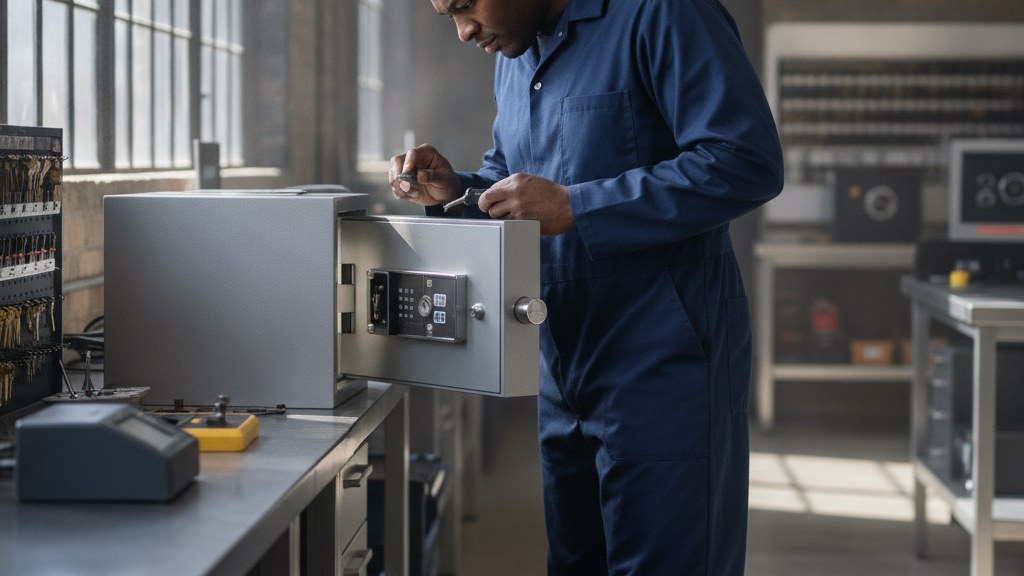
What Should I Know About Locksmiths That Can Open Safes?
Locksmiths that can open safes should do more than drill and hope. The right safe technician identifies the safe type, the lock type, and the least destructive opening method first. If the safe is fire-rated, older, or part of a home security setup, that matters before anyone touches it.
What do locksmiths that can open safes actually do?
They do not just force a door and call it a day. A real safe technician diagnoses the safe, the lock, and the failure point first, then chooses the least destructive opening method that fits the job.
That distinction matters because safes are not ordinary padlocks in a metal box. A safe may use a mechanical dial, a digital keypad, a key lock, or a combination of mechanisms, and each one fails differently.
If the door is bound, the bolts are jammed, or the electronics are dead, the first move is not guessing. It is identifying how the safe was built and what opening path preserves the box, the contents, and the value of the unit.
Homeowners often assume every locksmith does this work. Not true. Safe opening is a narrower skill set, and the wrong approach can turn a recoverable access problem into a damaged lock, a ruined relocker, or a very expensive replacement.
The right question is not just who can get it open. It is who can get it open without creating a second problem you now have to solve.
- Mechanical dial safes need different handling than electronic keypad safes.
- Fire-rated safes and gun safes can have extra protection features.
- A stuck handle may signal bolt work, not a failed door.
- Safe opening should start with diagnosis, not drilling.
- Contents matter, so access method matters.
What kind of safe problem are you really dealing with?
Before anyone opens a safe, they need to identify the failure. Forgotten combinations, dead keypads, lost keys, and internal binding all point to different fixes, and the safest one depends on the symptom.
A safe that will not open is not a single problem. It can be a battery failure, a worn keypad, a dial issue, a broken key lock, or a mechanical issue inside the boltwork.
That is why the initial conversation matters. A good locksmith listens for the details you might think are irrelevant, like whether the handle moves, whether the keypad beeps, or whether the door feels compressed.
This is also where homeowners waste time. They keep trying the same code, tapping the keypad, or turning the handle harder, which does nothing except increase friction and stress on the mechanism.
The more clearly you can describe the symptom, the more likely the technician can bring the right tools and plan the least destructive path from the start.
- No response from the keypad points to power or electronics.
- A spinning handle can indicate a disconnected or failed link.
- A lost combination usually calls for access service plus reset planning.
- A key safe with a missing key may need controlled entry.
- Any sign of grinding or binding deserves immediate attention.
Which safe types need a different opening approach?
A wall safe is not a gun safe, and a compact home safe is not a commercial fire safe. The construction tells the locksmith how much force to avoid and which entry method is realistic.
Different safes are built with different protection layers, so the method has to fit the box. Some are designed with stronger relockers, thicker doors, or harder internal components that respond badly to brute force.
A technician who knows safes looks at the make, model, age, and lock style before choosing a strategy. That is the difference between controlled service and unnecessary damage.
For a homeowner or renter, the goal is usually simple: get access and preserve the safe if it still has a useful life. That is much easier when the technician understands the type of safe from the beginning.
If you do not know the model, that is fine. A photo, a description of the door, and the lock style usually help narrow it down fast enough to make a smarter service call.
- Electronic home safes often fail at the keypad or battery compartment.
- Mechanical dial safes usually require more specialized manipulation skill.
- Wall safes and floor safes may have space constraints around access.
- Fire safes can include extra layers that change the opening plan.
- High-security models may require a careful balance of access and repair.
Easter’s Lock & Security Solutions has served the Mid-Atlantic since 1953 – residential, commercial, automotive and emergency service.
Book Now / Get a QuoteWhy does least-damage entry matter so much?
Because opening the safe is only half the job. If the method ruins the lock, the door, or the contents inside, you have traded one problem for three.
This is where a lot of people get burned by quick promises. Yes, someone can often open a safe by drilling. But drilling is not a magic trick, and it is not always the first or best answer.
A skilled technician aims to preserve the safe’s function whenever possible. That means avoiding unnecessary damage, protecting the contents, and keeping the unit usable if it can still serve you after service.
For a homeowner, that matters in a practical way. You may want to keep using the safe for documents, jewelry, firearms, or medication. A rough opening can destroy that option.
Least-damage entry is not about being fancy. It is about not turning a one-time access issue into a replacement bill you never needed.
- Preserve the container if you plan to keep using the safe.
- Protect contents from heat, debris, and avoidable damage.
- Reduce the chance of a costly replacement.
- Keep repair options open after entry.
- Choose a technician who explains the tradeoffs clearly.
How do you tell a real safe technician from a general locksmith?
Ask about safe training, safe-specific tools, and what happens after entry. If the answer sounds vague, you are probably talking to someone who does not work on safes often enough.
A real safe technician can usually describe the opening process in plain English without overpromising. They know when manipulation may work, when key or lock service is needed, and when a controlled access method is the right call.
General locksmithing and safe service overlap, but they are not identical. A person who handles house rekeying, deadbolts, and lockouts may still need separate skill and experience for safes.
This is also where licensing, credentials, and reputation matter. You are asking someone to work on a container built to resist access. That is not the place for guesswork.
If you get a clear explanation, a reasonable plan, and a focus on preserving the safe when possible, you are talking to the right kind of professional.
- They should explain their approach before starting work.
- They should know electronic and mechanical safe locks.
- They should discuss repair or reset after opening.
- They should be comfortable identifying unknown safe types.
- They should not promise a one-method solution for every safe.
What should happen after the safe is opened?
Opening the door is the beginning, not the end. After access, the lock, combination, electronics, or key system should be checked so you are not locked out again next week.
Once the safe is open, the next step is figuring out why it failed. Sometimes the fix is a battery replacement or a new code. Sometimes the lock body needs service or replacement.
A homeowner should also ask whether the safe can be returned to normal use. If the opening method involved drilling or other controlled entry, the technician should explain what was done and what it means for future operation.
This is the part people forget when they search for locksmiths that can open safes. They need access today, yes, but they also need a sane next step so the same problem does not repeat.
If the safe protects documents or valuables you use often, post-entry service matters almost as much as the initial opening.
- Confirm whether the lock can be repaired or needs replacement.
- Ask for the new combination or reset steps, if applicable.
- Check whether the door alignment still operates properly.
- Make sure the contents were not exposed to debris.
- Plan the next access method before you leave it idle.
When the symptom points to the right safe-service fix
| Situation | What to do | Why |
|---|---|---|
| The keypad is dead or inconsistent. | Check power, electronics, and lock function before trying force. | A dead keypad is often a service issue, not a damaged safe. |
| The handle turns but the door will not open. | Inspect boltwork and internal binding. | The lock may be working while the door mechanism is stuck. |
| You lost the combination or key. | Use controlled opening and then reset or replace the access method. | Guessing wastes time and can make the lock harder to service. |
| The safe was drilled before and still will not open. | Bring in a technician who can assess prior damage and relocker issues. | Bad prior work can block normal access and complicate repairs. |
Doing it yourself vs bringing in Easter’s Lock & Security Solutions
| Doing it yourself | With Easter’s Lock & Security Solutions | |
|---|---|---|
| Diagnosis | You may only know the safe will not open, not why it failed. | We start by identifying the safe type, lock style, and likely failure point before choosing a method. |
| Risk to the safe | Trial and error can damage the door, lock, or contents. | We focus on the least destructive entry path that fits the safe and the problem. |
| After-entry repair | You may still be stuck with a safe that cannot be reused. | We can discuss what the opening method means for repair, reset, or future service. |
| Time and stress | You spend time guessing, searching, and hoping. | You get an experienced safe and locksmith team that knows how to open, assess, and move forward. |
Frequently Asked Questions
Can a locksmith open a safe without drilling it?
Sometimes, yes. It depends on the safe type, lock condition, and what failed. A skilled safe technician will look for the least destructive method first. If the mechanism is damaged or the safe has extra protection features, controlled drilling or another access method may be the practical option.
What information should I have ready before I call about a safe?
Have the safe’s brand or model if you can find it, the lock type, and a quick description of the problem. Mention whether it is electronic or mechanical, whether the handle moves, and whether anything changed right before it stopped opening. That helps the technician plan the visit.
Will opening my safe damage the contents inside?
A careful technician works to minimize that risk, but the safe type and failure mode matter. If the safe has delicate contents, say so upfront. That changes how the work is approached and may affect the method used to preserve the contents and the safe itself.
How much does safe opening cost?
It depends on the safe type, the lock mechanism, and how much access work is required. The honest answer is custom, because a small home safe and a high-security unit are not the same job. Book a call so the situation can be reviewed and you can get a quote.
Can Easter’s Lock & Security Solutions help if I need more than opening the safe?
Yes. If the safe is part of a larger home security concern, we can help you think through the next step after access is restored. Easter’s Lock & Security Solutions has the safe-service experience to handle opening, evaluation, and the practical follow-up you need.
Need a locksmith in the Baltimore area?
Easter’s Lock & Security Solutions has served the Mid-Atlantic since 1953 – residential, commercial, automotive and emergency service.
Book Now / Get a QuoteCall (410) 825-3535Last updated October 16, 2026