

Who Should I Call for a Safe Cracker Near Me?
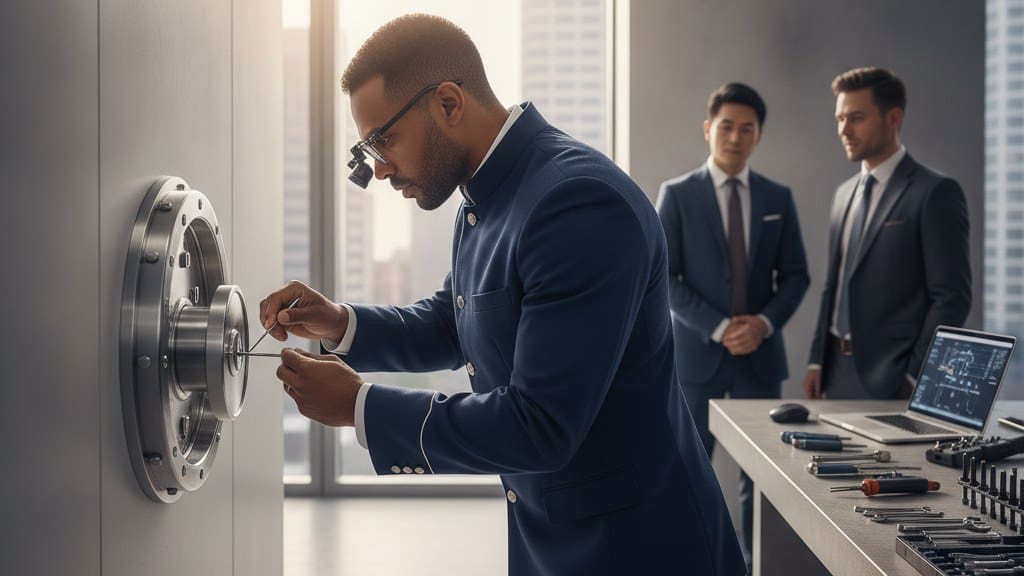
A safe cracker near me search usually means you need safe opening, repair, or a reset after a lockout, lost combination, or failed access. The real fix is a certified safe technician who can open the unit with the right tools, preserve the safe when possible, and advise on repair, rekeying, or replacement.
What does “safe cracker near me” actually mean?
It usually means you need safe opening, not a movie-style break-in. In plain English, you want someone nearby who can get a locked safe open, diagnose why it failed, and do it in a way that protects the unit and the contents as much as possible.
People use the phrase when the safe will not open and the clock starts ticking in their head. Maybe the combination is forgotten, the keypad is unresponsive, the key is missing, or the lock is jammed. Search behavior is messy; the need behind it is usually simple.
The important distinction is this: a real safe service call is about access and preservation. A qualified technician is there to determine the safest method, not to punch holes first and think later. That difference matters when the contents are personal, legal, or hard to replace.
If you are in a home or rental, the safest path is to stop forcing the handle, stop guessing codes, and stop watching random drill videos. One wrong move can create a bigger repair bill and still leave you locked out.
For a buyer, the word “near me” should mean local response plus the right credential set. You are not just buying distance. You are buying the ability to identify the safe, open it cleanly, and tell you what happens next.
- Safe opening is about controlled access, not brute force.
- A good technician starts by identifying the safe and lock type.
- Preservation of the safe and contents should come first.
- Local response matters when you need help now, not tomorrow.
- The phrase often covers repair, not just opening.
Which kind of safe lock failed, and why does that change the fix?
The fix changes because the lock changes. A mechanical dial safe, a digital keypad safe, and a key-operated safe all fail differently, so the technician has to diagnose the problem before choosing an opening method or repair plan.
This is where a lot of people waste time. They search the symptom, but the symptom is not the whole story. A dead keypad may be a battery issue, an electronic failure, or a lock problem. A stiff dial may point to wear, misalignment, or internal damage.
Mechanical and electronic safes do not get handled the same way. The wrong approach can turn a simple access issue into a door problem or a lock replacement problem. That is why guessing is expensive.
You also have to separate access failure from security failure. Sometimes the safe is doing its job. The issue is not that the safe is weak. The issue is that the access method needs a qualified repair or reset.
A real safe technician will look at the symptoms and then determine whether opening, repair, combination work, or replacement is the sensible route. That order matters more than most buyers realize.
- Dial, keypad, and key safes fail in different ways.
- Battery issues are not the same as lock failure.
- The wrong opening method can damage the door or lock.
- Diagnosis should come before drilling or replacement.
- Access failure and security failure are not the same thing.
Can a safe be opened without damaging the contents?
Often yes, and that is the goal. The technician should try the least invasive method that fits the safe and the failure, then explain any risk before moving to a more aggressive opening method.
This is the part people care about most, even if they do not say it out loud. The contents are usually why the safe exists. Jewelry, wills, passports, business records, firearms, or cash can change the stakes fast.
A skilled safe opener does not treat every safe like the same problem. They look at construction, lock type, failure mode, and access risk. That lets them choose manipulation or service when possible, instead of forcing a destructive path too early.
But honesty matters here. Some safes and some failures do require invasive work. A technician who promises zero risk is selling fantasy. A technician who explains the tradeoff is doing the job properly.
For homeowners and renters, that honesty is the real filter. You want a person who can say what can be preserved, what may be at risk, and what the next step looks like if repair is needed after opening.
- The goal is preservation, not just entry.
- Risk depends on the safe design and the failure mode.
- A good technician explains options before escalating.
- Some openings are non-destructive, some are not.
- Trust the person who tells you the tradeoff clearly.
Easter’s Lock & Security Solutions has served the Mid-Atlantic since 1953 – residential, commercial, automotive and emergency service.
Book Now / Get a QuoteWhat should you ask before you book a safe service call?
Ask the questions that force the provider to prove they know safes, not just locks. If they cannot explain the safe type, likely opening method, and follow-up repair options in plain language, keep looking.
You do not need a lecture. You need a clear answer. Start with the safe brand or model if you know it, the type of lock, and the exact symptom. Then ask whether they perform safe opening and safe repair or just general locksmith work.
Also ask how they approach damage control. A credible provider will tell you whether they inspect first, whether they try non-destructive methods first, and what happens if the safe needs drilling or replacement parts after opening.
If the safe is in a home, ask about timing and access. If it is a rental or shared space, ask how they handle authorization. A clean service call starts with the right information, not with the technician guessing at the door.
The best calls are boring in the best way. You describe the problem once, the technician asks the right follow-ups, and the quote conversation becomes specific instead of vague.
- Ask whether they actually do safe opening and safe repair.
- Share the safe brand, model, and symptom if you know them.
- Ask what the least invasive option is.
- Ask what happens if drilling becomes necessary.
- Make sure authorization and access are clear before arrival.
When is safe repair smarter than replacement?
If the safe body and door are sound, repair often makes more sense than replacing the whole unit. The decision comes down to the lock, the damage, the value of the contents, and whether the safe still fits the way you use it.
This is where a lot of owners overreact. A failed lock does not automatically mean the entire safe is dead. Sometimes the issue is isolated to the lock mechanism, the keypad, the combination, or a worn component that can be serviced.
Replacement starts to make more sense when the safe is poorly sized, outdated for the need, heavily damaged, or no longer worth the repair. A technician should help you sort that out without pushing you toward the bigger ticket just because it is easier.
For a homeowner or renter, the better question is not “can it be fixed?” It is “what gives me reliable access again with the least waste?” That framing usually leads to a better decision.
Safe service should end with clarity. If repair restores access and the safe still meets your needs, great. If not, you should know that before you spend more money than the unit is worth to you.
- A bad lock does not always mean a bad safe.
- Repair is often enough when the body and door are sound.
- Replacement makes sense when the safe no longer fits the need.
- The right question is reliability, not just whether it opens.
- A good technician helps you compare options plainly.
Why “near me” matters for emergency access and follow-up work
Near me is not just about convenience. It is about getting someone who can respond locally, assess the safe on site, and come back if the unit needs repair, reprogramming, or a new lock after opening.
Safe problems rarely happen on a schedule. That is why local response matters. If the safe is stuck, the contents are important, or the issue is part of a larger home security concern, waiting days is not helpful.
A nearby technician can also handle the practical follow-up. If the safe opens but the lock needs work, if the keypad needs attention, or if you decide the unit needs replacement advice, local service keeps the process moving.
This is where a full-service locksmith company has an advantage over a random search result. Safe work does not live in a vacuum. It often connects to rekeying, home security, smart locks, or broader access concerns.
For buyers in Baltimore, Washington DC, and the surrounding Mid-Atlantic area, the real value of “near me” is simple: less guesswork, faster coordination, and a better shot at solving the whole problem in one service path.
- Local response matters when the contents are urgent.
- Follow-up work is easier when the provider is nearby.
- Safe issues often connect to broader home security needs.
- A nearby technician can re-evaluate the same safe if needed.
- Convenience only matters if the provider can finish the job.
Should you call, repair, or replace the safe?
| Situation | What to do | Why |
|---|---|---|
| The safe will not open, but the unit looks intact. | Call for safe opening and diagnosis before anything else. | A healthy-looking safe can still have a lock, keypad, or combination issue that is fixable. |
| The lock works, but the door feels off or sticky. | Book safe service to inspect alignment and hardware. | Binding doors and worn parts can worsen if you keep forcing them. |
| The contents matter more than preserving the old unit. | Prioritize the safest access method and then reassess. | Opening the safe properly comes before deciding whether the unit itself is worth keeping. |
| The safe is outdated, damaged, or no longer fits your needs. | Ask for repair versus replacement guidance. | Sometimes the smartest move is a new safe, not a costly rescue of the wrong one. |
Doing it yourself vs bringing in Easter’s Lock & Security Solutions
| Doing it yourself | With Easter’s Lock & Security Solutions | |
|---|---|---|
| First move | You guess at the problem and risk making the lock or door worse. | We identify the safe type and failure mode before choosing an opening path. |
| Tools and method | You are limited to what you own, and the wrong tool can destroy a repairable safe. | We use professional safe-service methods aimed at preserving the safe when possible. |
| Risk to contents | A forced opening can damage what is inside, not just the safe. | We work to reduce risk to the safe and its contents, and we explain tradeoffs plainly. |
| After the opening | You still have to figure out repair, rekeying, or replacement. | We can advise on next steps so you are not left with a second problem after access is restored. |
Frequently Asked Questions
What should I do before I call about a locked safe?
Do not keep forcing the handle, turning the dial, or entering random codes. If you can, note the safe brand, model, and lock type, then describe exactly what stopped working. That gives the technician a better starting point and can save time on the call.
Can a locksmith open every safe?
No. Safe work is specialized. A general locksmith may handle many lock problems, but safe opening and repair call for someone who understands the construction and lock type. If the job is important, ask whether they do safe service specifically before you book.
Will the safe definitely be damaged?
Not necessarily. Some safes can be opened non-destructively, while others require more invasive work. The right answer depends on the safe and the failure. A good technician will explain the likely approach and any risk before starting.
How do I know whether to repair the safe or replace it?
Consider the safe’s condition, the value of the contents, and whether the lock problem is isolated. If the body and door are still sound, repair may be the better move. If the unit is outdated or heavily damaged, replacement may make more sense.
Can Easter’s Lock & Security Solutions help with this?
Yes. If you need a safe cracker near me search to turn into a real solution, Easter’s Lock & Security Solutions can help with safe service as part of its full-service locksmith work. If you are ready to move, book a call and ask for a quote.
Need a locksmith in the Baltimore area?
Easter’s Lock & Security Solutions has served the Mid-Atlantic since 1953 – residential, commercial, automotive and emergency service.
Book Now / Get a QuoteCall (410) 825-3535Last updated October 9, 2026