

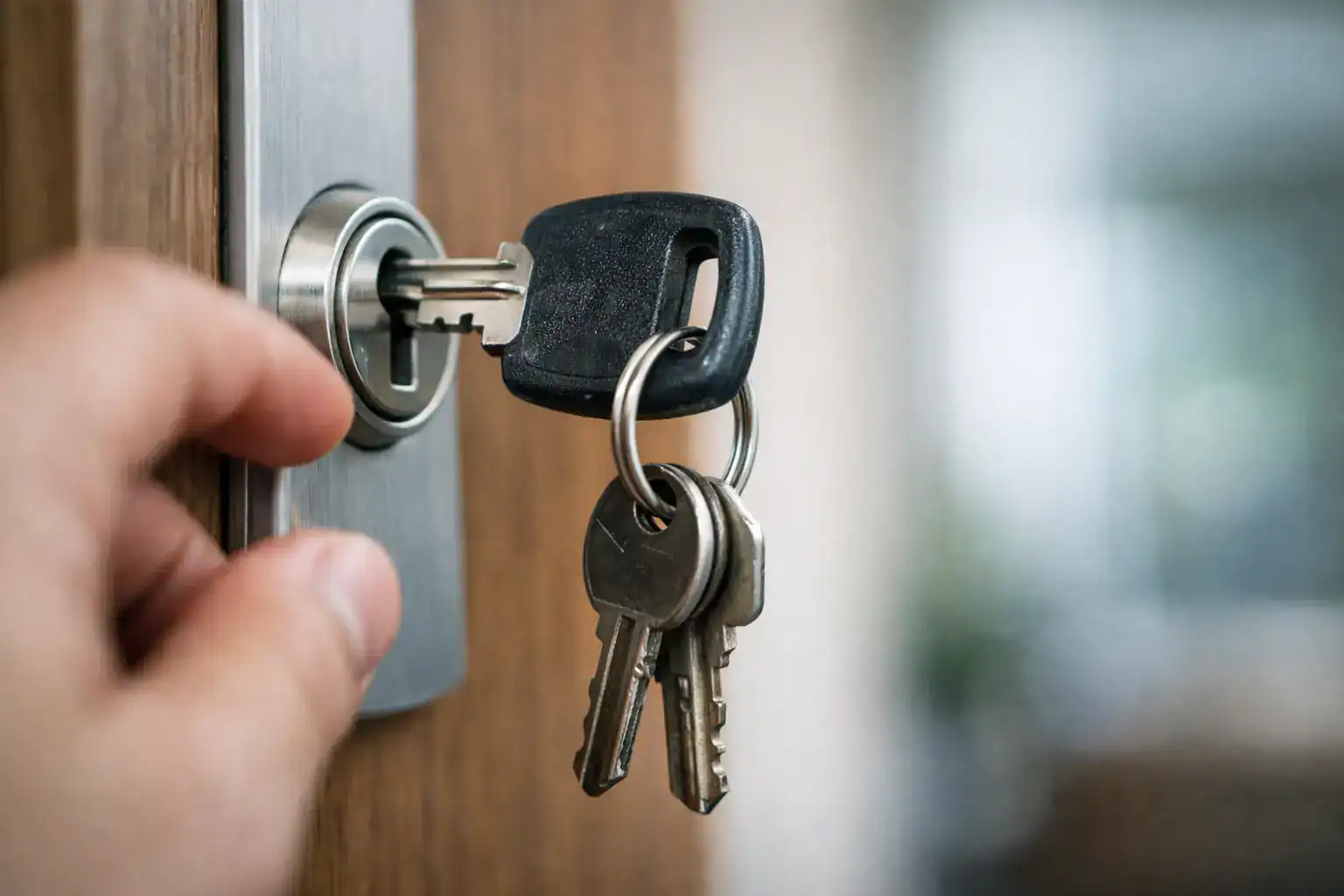
Why Is My Key Stuck in the Lock?
You turn the key, feel resistance, and suddenly it will not come out. If you are asking, why is my key stuck, the answer is usually not random wear or bad luck. A stuck key is a sign that something in the key, the lock cylinder, the door alignment, or the ignition is no longer working the way it should.
The right next step depends on where the key is stuck and how much force has already been used. In many cases, a calm, careful response prevents a minor lock issue from turning into a broken key extraction, a failed cylinder, or a door that will not secure properly.
Why is my key stuck? The most common causes
In residential and commercial door hardware, the most common cause is wear inside the lock cylinder. Pins, springs, wafers, and internal plug components wear down over time. When that happens, the key may insert fully but bind during turning, or it may turn partway and refuse to return to the position needed for removal.
A worn key can create the same problem. If the cuts are rounded off or the blade is slightly bent, the lock may not recognize the key cleanly. The key enters, but the internal components do not line up the way they should. That can leave the key trapped in a turned or partially turned position.
Door alignment is another major factor. If the door has shifted because of weather, settling, hinge wear, or repeated heavy use, pressure transfers to the latch and lock body. That side pressure can make the key feel stuck even though the cylinder itself is still serviceable. This is especially common on exterior doors and on commercial aluminum storefront doors that see frequent traffic.
Dirt and lack of lubrication also matter. Dust, metal particles, old lubricant, and debris can build up inside the keyway. In colder conditions, moisture can contribute to sticking or freezing. In automotive locks and ignitions, the issue may involve the steering wheel lock, ignition cylinder wear, or the transmission not being fully in park.
What to do first when a key is stuck
Start by stopping. More force is usually what turns a service call into a more expensive repair. If the key is stuck in a door lock, confirm whether it is fully in the neutral position. Many keys can only be removed when the plug is returned exactly to the correct orientation.
Apply gentle pressure only. Slightly turn the key back and forth within the range it already moves, and at the same time ease it outward. If the door is under pressure, push or pull the door lightly as you do this. Sometimes the issue is not the key at all but the latch binding against the strike.
If the lock appears dirty or dry, a proper lock lubricant may help. Use a product made specifically for locks. Heavy household oils can attract debris and make the problem worse over time. Spray a small amount into the keyway, wait a moment, then try again with controlled movement.
If the key is in a vehicle ignition, check the basics before assuming the cylinder has failed. Make sure the vehicle is fully in park. If the steering wheel is locked hard to one side, relieve pressure by moving the wheel slightly while gently turning the key. That often solves what feels like a serious ignition problem.
What not to do
Do not twist harder. Do not use pliers unless a locksmith has instructed you to do so and enough of the key is exposed to grip safely. Extra leverage can snap the key blade inside the lock, and a simple sticking issue becomes a broken key extraction with possible cylinder damage.
Do not force the door, slam it, or keep cycling the key repeatedly. If a commercial lockset, mortise cylinder, deadbolt, or panic device is failing internally, repeated force can damage associated hardware and leave the opening unsecured.
Avoid improvised lubricants. Grease, cooking spray, and general-purpose oils are poor choices for precision lock components. They may give brief relief while creating a longer-term buildup problem.
When the problem is the key, not the lock
A surprising number of stuck-key calls start with a damaged key. Look closely at the blade if you can remove part of it or compare it to a spare. If the tip is bent, the shoulder is worn, or the cuts look noticeably rounded, the key may be the issue.
Copied-from-copied keys are a common culprit. Every generation of duplication introduces slight inaccuracy. Eventually, the key still looks close enough but no longer operates smoothly. On homes, apartment buildings, offices, and fleet vehicles, this happens more often than people expect.
If you have a clean spare that works normally, stop using the problematic key. If both keys bind, the cylinder likely needs service or replacement.
Why door position can trap a key
If the key gets stuck only when the door is closed, pay attention to alignment. A sagging door, tight weatherstripping, a misaligned strike, or a frame shift can place constant pressure on the latch or deadbolt. That pressure transfers directly to the key.
You may notice that the key comes out easily when the door is open but sticks when the door is latched. That is a strong sign the lock may not be the only issue. In those cases, addressing the cylinder without correcting the alignment problem only treats half the failure.
For businesses, this matters beyond convenience. A sticking key on a main entrance, rear service door, or restricted area can become a life safety and access control problem. Hardware that does not operate cleanly should be inspected before it fails during a busy shift or after hours.
Why is my key stuck in the ignition?
Automotive cases have their own set of causes. The ignition cylinder may be worn, especially on older vehicles or vehicles with heavy keychains that put extra strain on the cylinder over time. The steering wheel lock can also create enough pressure to trap the key in place.
Some vehicles will not release the key unless the shifter is fully in park and the interlock system is working correctly. If the car seems to be in park but the key will not release, the issue may involve the shift linkage or ignition interlock rather than the key itself.
Modern vehicle keys add another layer. If the key housing is damaged or the transponder assembly is failing, you may see inconsistent operation before the key becomes stuck. At that point, handling matters. Damaging the ignition can quickly turn a key issue into a more complex repair.
When to call a locksmith
If the key will not move with light pressure, if it is visibly bent, if part of it has already cracked, or if the lock is on an exterior or high-security opening, it is time to call a professional. The same applies if the issue keeps returning. Repeated sticking is not normal wear you should work around. It is an early failure sign.
A professional locksmith can determine whether the fix is lubrication, key replacement, rekeying, cylinder repair, alignment correction, or full hardware replacement. That distinction matters. Replacing a lock when the real problem is door pressure wastes money. Ignoring a failing cylinder until it seizes often costs more later.
For commercial properties, healthcare sites, multifamily buildings, and government-related facilities, proper diagnosis is even more important. The hardware may need to meet code, keying standards, or controlled access requirements. A quick workaround is not always a safe or compliant solution.
At Easter’s Lock & Security Solutions, service calls like this are handled with the same practical focus we bring to larger security work – identify the actual failure, protect the opening, and restore reliable operation without guesswork.
How to reduce the chances of it happening again
Use clean, undamaged keys. Replace worn copies before they become a problem. Keep heavy keychains off vehicle ignitions. Have sticking locks serviced early rather than waiting for a full lockout or a broken key.
On doors that drag, stick, or need extra force to latch, do not assume the lock is the only issue. Hardware works best when the entire opening is aligned correctly. For businesses, periodic inspection of doors, closers, panic devices, cylinders, and strikes can prevent avoidable failures.
A key gets stuck for a reason. The good news is that the reason is usually traceable, and when it is handled early, the fix is often straightforward. The best move is not more force. It is the right diagnosis before a small mechanical problem becomes a security problem.