

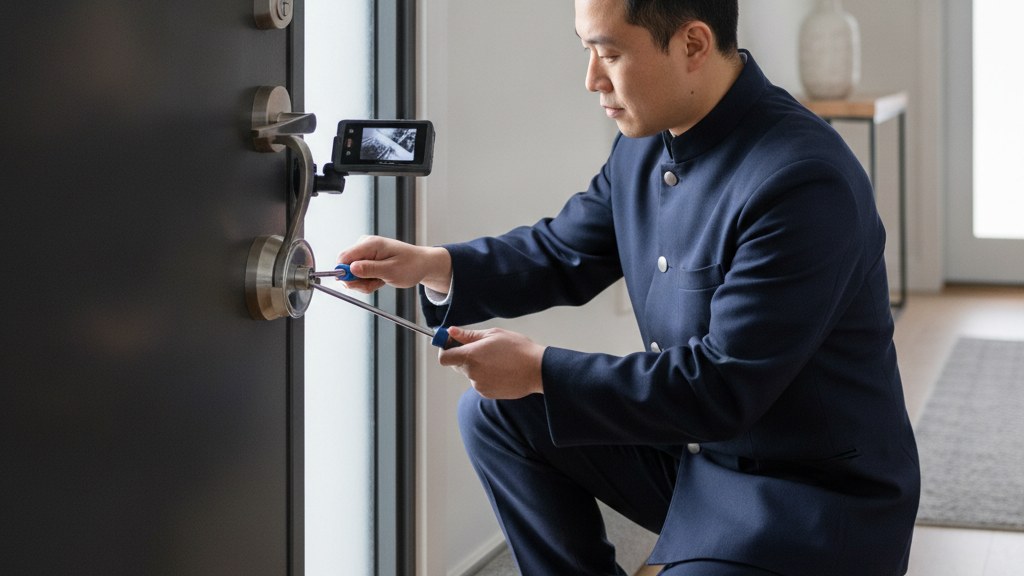
How Do I Handle Rescue Lock and Key Problems at Home?
Rescue lock and key problems usually mean you need fast entry, then a real security reset, not just a temporary workaround. For homeowners and renters, that often means an emergency locksmith, rekeying, or lock repair so the old key no longer works and the door is secure again.
What does rescue lock and key mean for a homeowner?
It means the lock or key problem has moved from annoying to urgent. You are not shopping for a new gadget. You are trying to regain access, restore security, and stop the same issue from leaving you stranded again.
In the residential world, rescue lock and key usually covers the moments when a key breaks, a lock jams, a deadbolt fails, or you realize the old key is no longer safe to keep using. The key point is simple: the issue affects both access and security, so it has to be handled as more than a convenience problem.
People often treat these events like one-off accidents. That is the mistake. A broken key can point to worn hardware. A lockout can reveal a bad cylinder, a misaligned door, or a key that has been copied too many times. If you only force the door open and move on, you are skipping the part that actually protects the house.
For a renter, the question is often whether access can be restored without changing the whole lock set. For a homeowner, the bigger question is whether the old key should still work at all. Those are different decisions, and the right locksmith should tell you which one applies instead of selling you the most expensive option by default.
The practical goal is always the same: get inside, make the door functional, and make sure the next person who finds that old key cannot use it to come back in later.
- Fast access when you are locked out
- Rekeying after lost or copied keys
- Broken-key extraction and lock repair
- Security reset after a move or roommate change
- Hardware evaluation before anyone recommends replacement
Is a broken key the same thing as a bad lock?
No, and that distinction matters more than most people think. The visible failure is the key, but the cause can be the cylinder, the alignment, the cut of the key, or simple wear on the hardware.
A key that snaps does not automatically mean the lock is junk. Sometimes the key itself is the problem because it is worn, bent, or duplicated poorly. Sometimes the lock is binding because the door is out of alignment and the key is bearing more force than it should.
That is why a real locksmith does not start with a sales pitch. They inspect the cylinder, test the movement, and check whether the problem is isolated or systemic. If the lock is damaged internally, extraction plus repair may be the right move. If the hardware is otherwise fine, rekeying or a clean replacement of the key may solve it.
Homeowners and renters should care about this because the wrong diagnosis gets expensive fast. If the lock is serviceable, you do not need to replace everything. If the problem is the hardware, you do not want to keep chasing keys that fail for the same reason every time you turn them.
The signal to watch for is repeat trouble. If the key is catching, grinding, or requiring extra force, the rescue call should include a security check, not just a quick open-and-go visit.
- A broken key can be the symptom, not the cause
- Door alignment issues can mimic a bad lock
- Worn keys often fail before the lock does
- Internal cylinder damage needs repair, not guesswork
- Repeat binding means the hardware should be evaluated
When is rekeying the right fix after a lockout or lost key?
Rekeying is the clean answer when the hardware is fine but the access is not. If you need to change who can enter, without changing the whole lock, this is usually the move that makes sense.
If you lost a key, moved into a new place, or had a roommate, contractor, or former occupant with access, rekeying is often the most practical response. It changes the lock from the inside so the old key stops working, which gives you control without replacing every piece of hardware.
That is why homeowners and renters should think beyond the moment of getting back in. A lockout is annoying. A lockout plus unknown copies of your key is a security issue. Rekeying solves the second part, which is the part people tend to ignore because the door is already open again.
There is a useful rule here: if the lock body is sound, rekeying is often smarter than replacement. If the hardware is damaged, outdated, or unreliable, replacement may be the better investment. The point is not to buy more hardware. The point is to reduce risk in the simplest correct way.
In a rescue call, the best locksmith will tell you which route fits the actual condition of the door, not the one that pads the invoice.
- Lost or stolen keys
- New move-in with unknown key copies
- Roommate, tenant, or household change
- Post-lockout security reset
- Cleaner than full replacement when hardware is in good shape
Easter’s Lock & Security Solutions has served the Mid-Atlantic since 1953 – residential, commercial, automotive and emergency service.
Book Now / Get a QuoteWhich lockout details actually matter before the locksmith arrives?
The useful details are the ones that change the fix. You do not need a speech. You need to describe the door, the lock, and the symptom clearly enough that the right tools show up the first time.
If you are locked out, the fastest path is to describe what failed, not to guess at the cause. Is the key inside? Did it break off? Is the deadbolt engaged? Does the knob turn but the latch stay stuck? That information changes how the locksmith approaches the job.
It also helps to note whether the door is a front entry, side entry, or interior access point, and whether there are signs of hardware damage. The more exact the description, the less chance of a wasted trip or an unnecessary delay while someone improvises on site.
A lot of people undershare because they think the issue is obvious. It usually is not. One door may need a simple non-destructive entry. Another may need extraction, adjustment, or a repair after the entry is made. Knowing the difference matters because it affects both time and outcome.
The better you describe the problem, the more likely the first visit solves the actual issue instead of only the symptom.
- What failed: key, cylinder, deadbolt, latch, or alignment
- Whether the key is missing, broken, or stuck
- Which door needs service and whether it is accessible
- Any visible damage from force or weather
- Whether you need entry only or entry plus rekeying
What should a real emergency locksmith do after the door opens?
Opening the door is not the finish line. The real job is to leave you with a door that closes, locks, and protects the home the way it should.
A competent emergency locksmith does more than regain access. They inspect the lock after entry, check whether the hardware is worn or compromised, and tell you if rekeying or replacement is needed. That matters because the thing that failed once can fail again if nobody addresses the cause.
For a homeowner or renter, the right follow-up is usually one of three things: rekey the lock, repair the damaged hardware, or replace the lock if it has reached the point where repairs are just a delay. Which one applies depends on the condition of the door, not on a generic script.
This is where rushed service gets expensive. If the locksmith leaves you with a weak cylinder or a door that binds every time you shut it, the emergency is technically over, but the problem is still in the house. That is not a fix. It is a pause.
The point of the rescue visit is to restore normal use and normal security, not to create a new problem for next week.
- Non-destructive entry when possible
- Post-entry inspection of lock and door condition
- Rekeying when access control needs to change
- Repair for salvageable hardware
- Replacement only when the lock is beyond practical repair
How do you avoid paying for the same lock problem twice?
You avoid it by solving the cause, not just the inconvenience. The mistake is thinking the door working once means the issue is gone. Often, it just means the immediate jam has been forced open.
Repeated lock trouble usually comes from one of a few places: worn keys, poor door alignment, tired cylinders, or hardware that was never matched properly to the door. If you do not identify that root cause, you can end up calling for help again the next time the lock sticks.
There is also a security angle. If you only patch the visible issue after a key loss, you may leave the same access risk in place. That is why rekeying is often part of the real solution. It is not cosmetic. It changes who can enter.
A homeowner should also pay attention to how the door feels after service. Does it turn smoothly? Does the latch catch cleanly? Does the deadbolt extend fully without forcing? Those are the signs that the repair addressed the actual mechanism instead of merely getting you through the day.
The cleanest outcome is boring. The key works. The door closes. The old key no longer works if it should not. That is the standard worth paying for.
- Fix the cause, not just the stuck moment
- Check key wear and duplication quality
- Verify deadbolt and latch alignment after service
- Rekey when old access should be retired
- Test the door before the technician leaves
Why does local response matter for rescue lock and key calls?
Because urgency does not care about theory. If you are outside the house, the value is in having someone close enough to respond with the right tools and the right judgment.
Local response matters because emergency locksmith work is part logistics and part skill. A nearby technician can usually get to the site faster, but speed is only half the point. The other half is bringing the correct equipment for residential entry, repair, and rekeying.
In the Mid-Atlantic, homeowners and renters also deal with a lot of different hardware conditions, from older locks to newer smart lock setups. That means the technician has to know the difference between a hardware issue that can be repaired and a system that needs replacement or reconfiguration.
This is why broad physical-security experience matters. A locksmith who only thinks in terms of opening doors can miss the bigger picture. A locksmith who understands home security can tell you when the current setup is weak, when it can be saved, and when it should be changed.
For a rescue call, the best outcome is not just entry. It is a secure, usable door and a clear answer about what should happen next.
- Faster response when you need entry now
- Better fit for older and newer residential hardware
- More accurate diagnosis of repair versus replacement
- Stronger follow-through on security after the emergency
- Less back-and-forth when one visit should solve it
How to decide what to do after a rescue lock and key call
| Situation | What to do | Why |
|---|---|---|
| You are locked out, but the lock hardware looks intact. | Use emergency entry, then test the lock and decide whether rekeying is needed. | The issue may be access only, not hardware failure. |
| The key broke off or turns with resistance. | Have the cylinder inspected for damage and the key path cleared or repaired. | Forcing it again can make a salvageable lock worse. |
| You lost a key or do not know who has copies. | Rekey the lock after access is restored. | Getting back in is not enough if the old key still works. |
| The lock sticks, binds, or feels loose after entry. | Repair or replace the hardware based on condition. | A recurring mechanical fault is a security problem, not a minor annoyance. |
What you can do yourself versus bringing in Easter’s Lock & Security Solutions
| Doing it yourself | With Easter’s Lock & Security Solutions | |
|---|---|---|
| Getting back inside | You may be able to wait, search, or try improvised entry methods, but that often risks damage and wasted time. | We use professional entry methods and the right tools to restore access with less guesswork. |
| Diagnosing the real issue | You can see the symptom, but it is easy to misread worn hardware, bad alignment, or a failing cylinder. | We inspect the lock, door, and hardware together so the fix matches the cause. |
| Security after the door opens | You may leave the old key in circulation or assume the problem is solved because you are inside again. | We can rekey or repair the hardware so access control is actually restored. |
| Choosing repair versus replacement | It is hard to know whether the lock is salvageable without experience and the right parts. | We explain the practical options and do the work that fits the condition of the door. |
Frequently Asked Questions
Is rescue lock and key service only for full lockouts?
No. It also covers broken keys, jammed deadbolts, damaged cylinders, and situations where the lock works poorly enough that you cannot rely on it. The job is to restore access and security, not just to open a door and leave you with the same problem.
Should I rekey after every emergency lockout?
Not every time, but it is often smart if the key is lost, stolen, or in the hands of someone you do not want to keep access. If the problem was mechanical only and the key remains secure, rekeying may not be necessary.
Can a locksmith tell if my lock needs repair or replacement?
Yes, if they actually inspect the hardware instead of guessing. A good technician checks the cylinder, the latch, the deadbolt, and how the door aligns. That is how you avoid replacing a lock that could have been repaired, or repairing one that should be retired.
How much should I expect to pay for rescue lock and key work?
It depends on the lock type, the time of day, the complexity of the entry, and whether the job ends with repair, rekeying, or replacement. For a real price, book a call for a custom quote based on the actual door and the actual problem.
Who should I call if I want this handled carefully and not just quickly?
Call a locksmith who can do the emergency work and the follow-up security work in one visit. Easter’s Lock & Security Solutions has handled residential locksmith service in the Mid-Atlantic since 1953, so if you want the problem solved cleanly, book a call and get a quote.
Need a locksmith in the Baltimore area?
Easter’s Lock & Security Solutions has served the Mid-Atlantic since 1953 – residential, commercial, automotive and emergency service.
Book Now / Get a QuoteCall (410) 825-3535Last updated October 19, 2026