

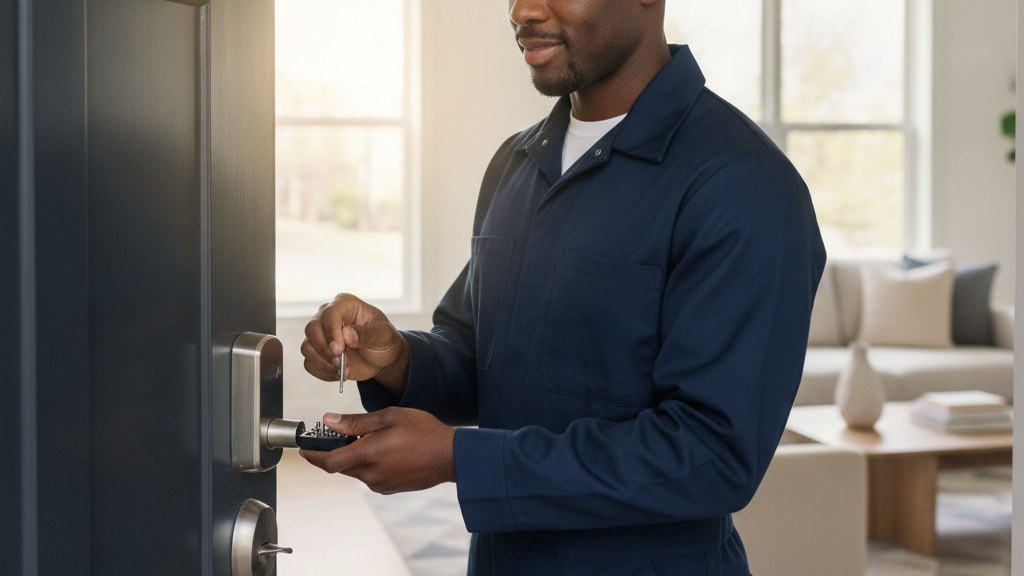
How Does Easters Lock Help with a Home Lockout or Rekeying?
Easters lock is the right call when you need a residential locksmith who can get you back inside, rekey the locks after a move or key loss, or tighten home security without guesswork. The real fix is licensed, in-person service from a company that can match the hardware to the problem.
What does Easters lock mean when you need help with a home key or lock?
In this context, Easters lock means a residential locksmith call, not a vague security search. You are trying to solve one of three things: getting back in, changing access, or improving the hardware that controls access.
That is why the right service starts with the door and the lock, not a sales pitch. A homeowner and a renter have different constraints, but the decision tree is similar: is the lock working, is the key missing, or is the access outdated?
Once you know which problem you actually have, the fix gets simpler. A lockout needs entry without damage where possible. A move-in or key-loss situation usually points to rekeying. A weak or worn lock can justify replacement or upgraded hardware.
The mistake is treating all three as the same thing. They are not. People overbuy new hardware when they only needed a rekey, or they keep a worn lock because they think every issue is a full replacement. Neither one is smart.
A real residential locksmith should help you separate the symptom from the solution so you are paying for the right outcome the first time.
- Lockout means the immediate problem is access, not security planning.
- Rekeying changes who can open the door with the old keys.
- Lock replacement makes sense when hardware is damaged or obsolete.
- Home security includes the lock, the door, and the way access is controlled.
When is rekeying enough, and when is a new lock smarter?
If the hardware still works, rekeying often solves the access problem cleanly. If the lock is loose, sticky, corroded, or visibly worn, replacement may save you a second service call later.
Rekeying is the move people usually want after a move, a roommate change, or a lost key. It preserves the existing lock body and changes the key relationship, which is efficient when the hardware is otherwise in good shape.
A new lock makes more sense when the existing cylinder or mechanism is failing, the door prep is poor, or the style of hardware is not doing the job anymore. This is where an on-site locksmith earns their keep: they can inspect the parts instead of theorizing from the driveway.
You also have to think about the door itself. A lock that seems bad may actually be a door alignment problem, a worn strike, or mounting issues. If you skip that diagnosis, you can buy the wrong fix and still be annoyed every time you turn the key.
The better question is not, ‘Should I replace the lock?’ It is, ‘What part of the entry system is actually failing?’
Rekey when the hardware is sound and access changed.
Replace when the lock is worn, damaged, or incompatible.
Ask about door alignment if the key feels rough or inconsistent.
Choose the fix that solves the cause, not just the annoyance.
Why do renters and new homeowners ask for home security help first?
Because the first week after a move is when access history matters most. You do not know how many spare keys exist, who copied them, or whether the current hardware still matches the way the home is actually used.
For renters, the problem is often permission and process. You may want better control, but you also need to stay inside the lease and follow the property rules. That usually means working with the landlord or property manager on approved changes.
For new homeowners, the issue is simpler but not smaller. You own the door now, which means you also own the risk from old keys, old habits, and whatever the previous owner handed out over the years.
That is why home security in this context often starts with the entry points, not with gadgets. Better control of who can get in is the foundation. Cameras and smart devices are useful, but they do not fix a key that still opens the front door.
A good locksmith should be able to explain the practical path: rekey, upgrade, or plan a broader security change if the entry points need more than one fix.
New occupants want certainty about who still has access.
Renters need solutions that fit lease and property rules.
Home security often begins with the lock, not the app.
The right first step is control, then convenience.
Easter’s Lock & Security Solutions has served the Mid-Atlantic since 1953 – residential, commercial, automotive and emergency service.
Book Now / Get a QuoteWhat should you do before a locksmith arrives for a lockout or rekey?
The best prep is simple: slow the problem down, gather the basics, and avoid making the hardware worse. A few minutes of preparation can save time once the technician is on site.
If you are locked out, do not force the door, jam tools into the lock, or keep trying a key that is clearly not turning. Damage turns a straightforward entry job into a repair job, and that costs more attention than the original issue.
If you want a rekey, gather the keys that still work, note how many doors are involved, and know whether the issue is one lock or the whole home. That helps the locksmith bring the right cylinders, blanks, or replacement hardware if needed.
If the problem is security after a move or a key loss, think through every entry point. Front door, back door, side door, patio, garage side access. People forget one of them and then wonder why the fix feels incomplete.
The goal is not to diagnose the problem like a technician. It is to describe it clearly enough that the visit starts with the real issue.
Do not force a stuck lock or damaged key.
Know which doors are involved before the visit.
List every entry point that matters.
Describe the symptom plainly, not vaguely.
How does home security planning change when the door is the weak point?
When the door is the weak point, the fix is not abstract security advice. It is better entry hardware, better control over keys, and a realistic plan for how the home is actually being used.
A weak door setup can make even a decent lock underperform. Loose strike plates, poor alignment, worn cylinders, and mismatched hardware all create friction you feel every day. That friction is a warning sign, not a personality trait of the door.
Smart locks can help in the right situation, but they are not magic. They are one part of access control. If the door prep is bad, the smart lock will still be fighting the same physical problem under the hood.
This is where a physical-security company is different from a random hardware swap. The point is not just to install a product. The point is to make the entry system work as a system.
For homeowners and renters alike, that means thinking about access control before convenience features. Convenience is great. Control is better.
Weak hardware can make a decent lock feel unreliable.
Smart locks still depend on solid door prep.
Access control is the real goal behind the gadget.
The entry system should work as one system, not parts in isolation.
Which lock and key details matter most for a residential service call?
The important details are the ones that change the fix: the door type, the lock style, the number of keys, and whether the issue is access, wear, or safety. Everything else is background noise.
A side-entry door, apartment door, patio door, and front entry do not always call for the same hardware or approach. The locksmith needs enough detail to know what tools and parts make sense before arriving.
It also matters whether you need one key to work multiple doors, whether existing locks should stay in place, and whether you are dealing with a simple cylinder issue or a broader security upgrade. Those details shape the recommendation.
If you are a renter, the lease and property rules can matter as much as the lock itself. If you are a homeowner, the decision may include longer-term plans for smart locks, surveillance, or better exterior control.
Good service feels precise because the right questions were asked early. That is what keeps you from paying for the wrong version of the solution.
Door type affects hardware and access method.
Key counts and access goals change the recommendation.
Lease rules can shape what a renter may change.
Precise details lead to a cleaner fix.
How long does a local locksmith visit usually take in practice?
Usually, the time depends on the issue, not the calendar. A straightforward lockout, rekey, or hardware swap moves differently, but the real variable is whether the lock is standard, worn, misaligned, or tied to a bigger door problem.
A clean residential service call starts with diagnosis. If the issue is simple, the work can stay simple. If the locksmith finds damage, the job expands from access or rekeying into repair or replacement discussion.
That is why trying to force a timeline from the outside is not very useful. The better question is whether the company can arrive prepared, identify the issue quickly, and explain the fix clearly without wandering.
People often expect a lock job to be mechanical only. It is mechanical, yes, but it is also an access decision. That means the technician has to balance immediate relief with the right long-term recommendation.
The fastest visit is usually the one that starts with the right problem statement.
Diagnosis comes before the fix.
Simple jobs stay simple when the hardware cooperates.
The real variable is the condition of the door and lock, not wishful thinking.
If this is your symptom, here is the better next step
| Situation | What to do | Why |
|---|---|---|
| You are locked out and the key is not helping. | Book a locksmith for a residential lockout visit. | The priority is safe entry, not replacing hardware you may still be able to use. |
| You moved in or lost track of who has keys. | Ask for rekey service on the main entry locks. | Rekeying resets access without requiring a full hardware swap when the locks are still sound. |
| The lock sticks, binds, or feels worn every day. | Request an on-site inspection for repair or replacement. | Mechanical wear is often a hardware problem, not a key problem. |
| You want tighter control over access to the home. | Discuss home security options that fit the door and your living situation. | Better control may mean upgraded locks, approved smart lock hardware, or a broader entry plan. |
DIY vs bringing in Easter’s Lock & Security Solutions
| Doing it yourself | With Easter’s Lock & Security Solutions | |
|---|---|---|
| Figuring out the real problem | You guess whether it is a lockout, rekey, or failing hardware, and guesswork wastes time. | We identify the issue on site and match the fix to the door, lock, and access need. |
| Risk of damage | Forced entries, wrong tools, or bad key work can turn a small issue into a repair. | We handle the hardware carefully and avoid creating extra damage where possible. |
| Choosing the right hardware | You are limited to what you can see on the shelf and what you feel like replacing. | We can recommend the right approach based on the actual condition of the lock and door. |
| Getting it done cleanly | You spend the evening troubleshooting, then still may not have control over the lock. | You get a licensed residential locksmith who can solve the access issue and explain the next step clearly. |
Frequently Asked Questions
What is the difference between a rekey and a lock change?
A rekey keeps the existing lock hardware and changes which key works it. A lock change replaces the hardware itself. Rekeying is usually the cleaner choice when the lock still functions well, while replacement makes more sense when the hardware is worn, damaged, or no longer a good fit for the door.
Can I ask for help if I am a renter and not a homeowner?
Yes. Renters commonly need lockout help, rekeying, or approved security improvements. The important part is making sure any change fits your lease and your property rules. If you are unsure, ask for a clear recommendation before work begins so you can handle the landlord conversation properly.
How do I know if my deadbolt is the problem or the door is the problem?
If the key turns poorly, the door rubs, or the lock only works when the door is pushed a certain way, the issue may be alignment or wear in the door prep, not just the deadbolt. A field locksmith can inspect the whole entry point instead of replacing parts blindly.
What does a residential locksmith usually help with besides lockouts?
A residential locksmith can help with rekeying, replacing worn locks, improving entry hardware, and planning practical home security upgrades. The right service depends on whether your main issue is access, lost keys, old hardware, or a broader concern about who can get in.
How much does it cost to book a call for this kind of service?
The cost depends on the service, the hardware, and what the technician finds on site, so it is best handled as a custom quote. If you want a clear answer for your door and your situation, book a call with Easter’s Lock & Security Solutions and ask for a quote.
Need a locksmith in the Baltimore area?
Easter’s Lock & Security Solutions has served the Mid-Atlantic since 1953 – residential, commercial, automotive and emergency service.
Book Now / Get a QuoteCall (410) 825-3535Last updated October 16, 2026